Women's Journal

Avishag Arbel Maternity: Timeless Maternity Skirts for Every Stage

By: Elle Dela Cruz

Skirts that never fade out, those that women turn to again and again, carry power quietly. They move with grace, cradle change, and always find a way to make the wearer feel both seen and strong. From a soft pencil cut to sweeping maxi folds, skirts hold stories: stories of bodies in transition, of comforts that genuinely fit, of style that does not abandon, of identity unfolding. At Avishag Arbel Maternity, these stories are sewn into every seam: skirts meant for women who want elegance, stretch, and permanence all in one.

Avishag Arbel Maternity: Timeless Maternity Skirts for Every Stage

Photo Courtesy: Avishag Arbel Maternity

The Enduring Appeal of the Maternity Skirts

A pencil maternity skirt tugs against the conventional image of stretchy comfort, but that is only because it has not been done right until now. The maternity skirts hug the growing bump with enough give, thanks to their fabric choices, while keeping the silhouette clean. This piece proves that maternity wear can carry confidence.

Shift hues, shift textures, but the pencil skirt remains a foundational garment. On top of black, the Pencil Maternity Skirt is available in more colors like Navy, Olive, Stone, and Tobacco, which makes it versatile and plays nicely with bold prints, works well with crisp cotton shirts, and pairs well with flowing tops.

Avishag Arbel Maternity: Timeless Maternity Skirts for Every Stage

Photo Courtesy: Avishag Arbel Maternity

Maxi, Satin, Denim: Textures That Tell Tales

Maxi skirts live large; they give a dramatic flow of fabric that glints and moves like liquid. Satin heightens drama, elevating the everyday to momentous. The cuts fall long; this is dressy and winks at weddings, evening walks, or the kinds of days that call for something more daring.

Denim plays a different tune: rough edges, lived-in strength. But beyond its classic durability, denim skirts often contain Lycra, a stretchy fiber that allows the fabric to flex and adapt. This means the skirt can also be suitable for a pregnant woman, offering comfort as the body changes. The Anna Denim Maternity Skirt is a staple. The rugged denim resists wrinkles, carries patchwork or wash details that disguise wear, and teams with everything from chunky flats to sleek boots.

Satin midi skirts, too, stake their ground: the Didi Satin Maternity Midi Skirt leap off the screen with elegance, pressuring restraint. The Copper radiates warmth; the White becomes a blank canvas for jewelry, tops, and even nail polish. These pieces show that texture carries mood, tone,and  feeling.

The Allure of Details, Fit, and Color

Small details sometimes carry the weight of style louder than bold patterns. Ruching, drawstrings, ribbed panels. The Stripes & Drawstring Maternity Maxi Skirt in Black balances utility with design: stripes attract the eyes, and the drawstring lets the wearer adjust where needed.

Color is never trivial. Stone, black, blue wash, olive, navy, tobacco, camel, beige: these serve as moods. The Yael Maternity Skirt in Dark Blue Wash carries depth. The Lea Maternity Skirt in Beige softens the line between maternity and timeless wardrobe staples. Camel and navy hues have been anchored in fashion across decades; classics because they adapt to seasons and to personality alike.

Skirts from Avishag Arbel make plain what many other maternity labels try to whisper: that style does not expire with pregnancy. From pencil skirts, maxi flows, satiny shine, denim grit, ribbed comfort, and bold drawstrings, the brand blends them into garments that honor change. Those who wear these skirts carry tradition and novelty at once: tradition of familiar silhouettes, novelty of fit tuned to the body’s journey.

Stretch that allows, color that enhances, textures that tease; every piece under this collection argues that skirts are always in style because they reflect more than seasons. They reflect desire: for beauty, for dignity, for comfort.

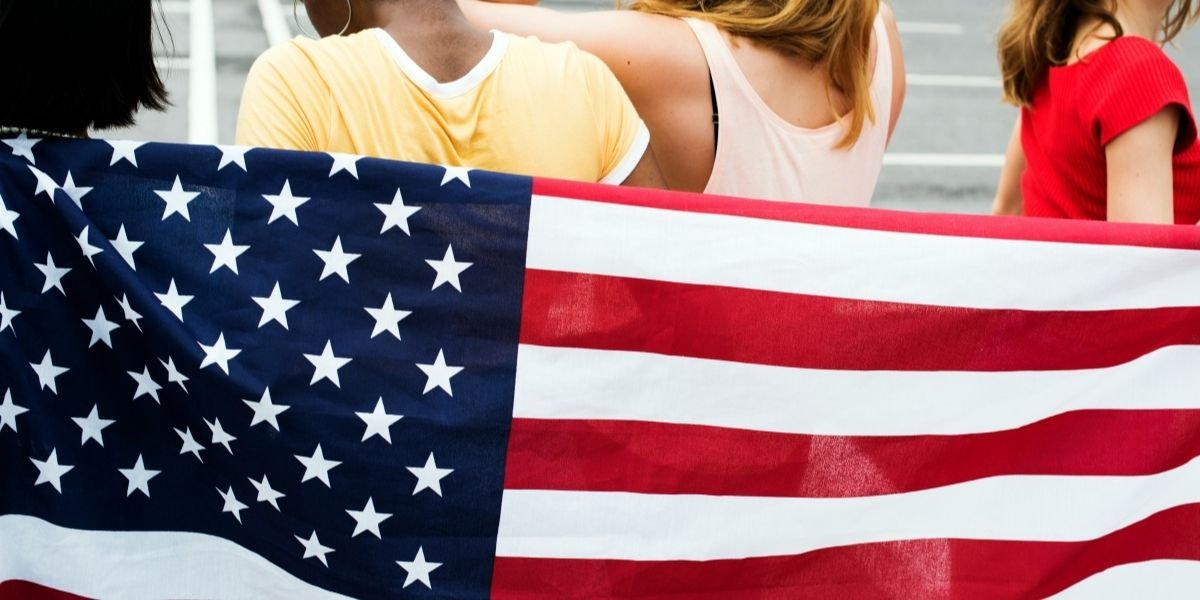
Honoring Female Veterans with Leadership and Legacy on Veterans Day

Every November, America pauses to honor its veterans. Yet within that tradition, the stories of female veterans often remain underrepresented. From the Revolutionary War to today’s global deployments, women have served with courage, resilience, and leadership that shaped the nation’s military legacy. Veterans Day 2025 is an opportunity to spotlight their contributions and ensure their voices are heard.

Female veterans are not a small group. More than two million women have served in the U.S. Armed Forces, with roles ranging from combat pilots to intelligence officers. Their presence has grown steadily since the Women’s Armed Services Integration Act of 1948, which formally recognized women’s right to serve. Today, women make up nearly 20% of active‑duty personnel, a figure that continues to rise.

Honoring female veterans isn’t just about inclusion, it’s about recognition. Their leadership and sacrifices are woven into the fabric of American history, and Veterans Day offers a stage to amplify their legacy. When communities highlight female veterans, they not only honor service but also challenge outdated narratives about who defends the nation.

Leadership forged in service

Female veterans have consistently demonstrated leadership in and beyond the battlefield. During World War II, more than 350,000 women served in roles ranging from cryptography to parachute rigging. Their contributions were critical to victory, yet often overlooked in mainstream narratives. These women proved that leadership is not defined by gender but by courage and competence.

Today, female veterans continue to lead. Many transition into roles as CEOs, nonprofit founders, and community leaders. Ginger Miller, founder of the Women Veterans Interactive Foundation, has built a national movement to empower women veterans, hosting events and membership drives that connect thousands across the country. Her work exemplifies how military leadership translates into civic leadership, inspiring others to follow.

The cultural impact is profound. Female veterans redefine what leadership looks like, proving that service doesn’t end with discharge. Their voices shape communities, inspire younger generations, and remind us that leadership forged in service carries lasting influence. Veterans Day becomes a platform to showcase these leaders, ensuring their stories resonate far beyond military circles.

Legacy across generations

The legacy of female veterans stretches across centuries. In World War I, approximately 35,000 women served in lifesaving roles such as nursing and communications, including the famous “Hello Girls” who operated military telephone lines. Their service laid the groundwork for broader integration in later conflicts, proving that women could handle critical responsibilities under pressure.

By the Vietnam era, women were serving in expanded roles, including medical evacuation and intelligence. Today, female veterans are combat‑tested leaders, with many earning Bronze Stars and Purple Hearts. Their legacy is not just historical, it’s living, evolving, and shaping the future of the armed forces. Each generation builds on the sacrifices of the last, creating a continuum of service that stretches into the present.

Veterans Day becomes a cultural bridge, connecting past and present. Honoring female veterans means acknowledging the trailblazers who opened doors and the modern leaders who continue to expand them. Their legacy is a reminder that women’s service is not an exception but a tradition. By telling these stories, communities ensure that history reflects the full spectrum of sacrifice.

Community and recognition

Recognition remains a challenge. Female veterans often report feeling invisible in broader Veterans Day celebrations. Organizations like the Women Veterans Interactive Foundation and state‑level observances such as Women Veterans Day on June 12 are working to change that. These initiatives highlight women’s contributions and create spaces where female veterans can connect and be celebrated.

Honoring Female Veterans with Leadership and Legacy on Veterans Day

Photo Credit: Unsplash.com

Community support is vital. Female veterans face unique challenges, including higher rates of post‑service unemployment and health disparities. By building networks of recognition, communities can ensure that women who served are not only honored but supported in tangible ways. Recognition must go beyond symbolic gestures to include practical resources.

Veterans Day is not complete unless female veterans are front and center. Their recognition strengthens the broader narrative of service and ensures that every veteran’s story is valued. When communities embrace female veterans, they enrich the national conversation about resilience and sacrifice.

Inspiring the next generation

Female veterans are also role models for future generations. Their stories inspire young women to pursue military careers and leadership paths. Representation matters, seeing women in uniform, commanding units, and leading missions sends a powerful message about possibility. Veterans Day becomes a stage for these stories, amplifying their impact.

Programs that connect female veterans with schools and community groups amplify this influence. Sharing stories of resilience, sacrifice, and achievement helps young people understand the breadth of military service. It also challenges outdated stereotypes about who serves and how. These programs ensure that the next generation sees military service as inclusive and empowering.

The cultural resonance is clear: female veterans are not just honored for their past, they are celebrated for the future they inspire. Veterans Day becomes a platform for mentorship, storytelling, and empowerment. By spotlighting female veterans, communities invest in the leaders of tomorrow.

The future of honoring female veterans

Looking ahead, the question is how America will continue to honor female veterans. Will Veterans Day ceremonies evolve to highlight women’s contributions more prominently? Will communities expand recognition beyond symbolic gestures to include practical support? These questions spark conversation and drive cultural change.

The momentum is building. With organizations like WVIF leading national movements and public awareness growing, female veterans are claiming their rightful place in the narrative of service. Their leadership and legacy are not side notes, they are central chapters in America’s story. The future of Veterans Day must reflect this reality.

Veterans Day 2025 is a reminder: honoring female veterans is not optional. It is essential to understanding the full scope of sacrifice, leadership, and legacy that defines the nation. Their stories deserve the spotlight, and their impact deserves to be celebrated every year. By expanding recognition, America ensures that female veterans remain visible and valued.