Women's Journal

Christine Carlström on the Swedish Death Cleaning Method That Helps Women Simplify Life with Grace


By: AK Infinite

Every object we own carries a story, but not every story needs to be stored in a box. That simple idea has become the heart of author and entrepreneur Christine Carlström’s work. As the author of Swedish Death Cleaning for Americans and the founder of SmileMore Publishing, Christine has inspired a growing community of women to see decluttering not as a chore, but as a gentle act of self-compassion.

A proud Swedish-American, Christine brings the wisdom of her heritage to the modern world of excess. Her bestselling book introduces readers to döstädning—the Swedish tradition of “death cleaning”, but with an American twist: it’s less about preparing for the end and more about making peace with the present. “It’s not about death,” Christine explains. “It’s about living intentionally and creating a legacy that feels light, meaningful, and filled with love.”

Christine’s journey began in her Chicago condo, where space was limited and every drawer told a story. Married for more than 26 years and a mother of twin boys, she knows the emotional tug that comes with every item tucked away “just in case.” When planning to move seven years ago, she was forced to sort through decades of keepsakes, and something shifted. “It was humbling,” she recalls. “I realized how much of my identity had become attached to what I owned.”

That experience became the seed for Swedish Death Cleaning for Americans, a book that strikes a balance between practical advice, grace, and understanding. Christine’s approach is never about guilt, but about gratitude. Her tone is compassionate, her writing conversational, and her message clear: decluttering is not about stripping away, but about revealing what truly matters.

Creating a New Kind of Publishing Company
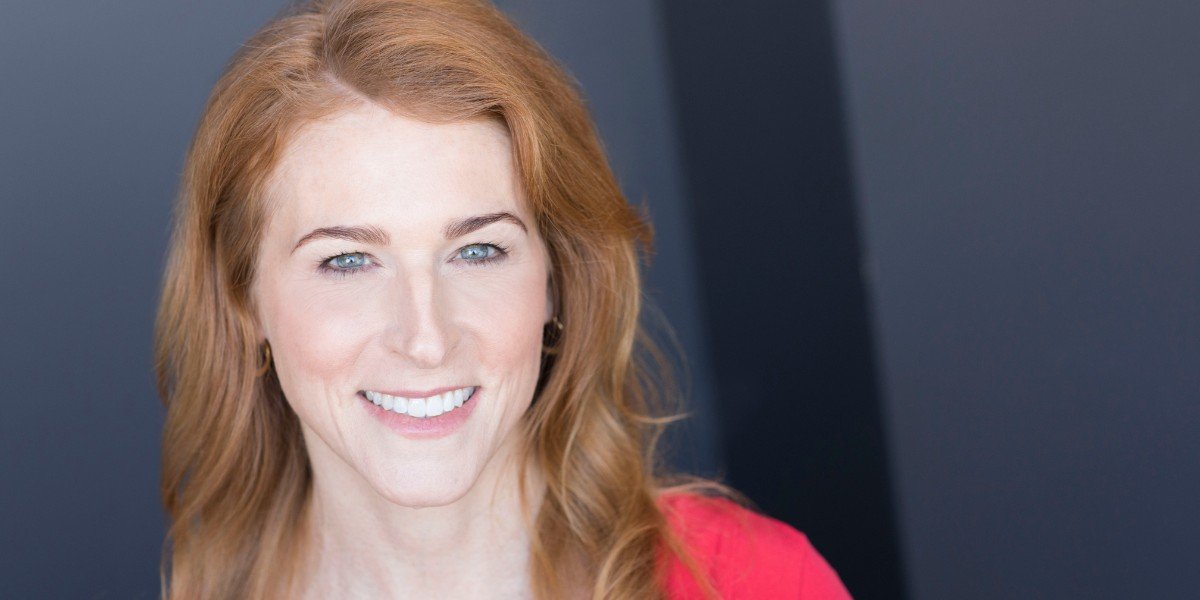
Christine Carlström on the Swedish Death Cleaning Method That Helps Women Simplify Life with Grace (2)

Photo Courtesy: Christine Carlström

Through SmileMore Publishing, Christine turned that philosophy into a brand dedicated to helping others simplify their lives with purpose. The company’s growing collection of books extends beyond Swedish death cleaning, offering titles that explore work-life balance, effective communication, and life transitions. Each project carries the same core values: authenticity, clarity, and kindness.

“I built SmileMore Publishing to create books that help people feel understood,” Christine shares. “I wanted every title to feel like a conversation with a friend, not a lecture. Life is complicated enough, and our books are here to take a little weight off.”

Rather than chasing trends, the company creates meaningful, lasting content that resonates with women, many of whom are navigating new seasons of life, such as caring for aging parents, a family home to organize, or the challenge of effectively setting boundaries.

The Heart of Swedish Death Cleaning

For Christine, Swedish death cleaning is more than tidying up—it’s emotional healing through action. “We hold on to things for love, fear, or memory,” she says. “But letting go doesn’t mean forgetting. It means finding other ways to honor the story.”

Her book invites readers to approach decluttering with compassion for themselves and for their families. By reframing what we keep and what we release, Christine helps women reclaim control over their spaces, their time, and their mental clarity. The result is not just a cleaner home, but a lighter heart.

Christine’s mission continues to grow, and her purpose for Swedish Death Cleaning for Americans remains steady: to bring calm to the chaos and meaning to the everyday. Her work reminds readers that simplifying life isn’t about having less—it’s about living more fully.

In a world that constantly asks women to do more, buy more, and be more, Christine Carlström offers a rare and comforting invitation: slow down, clear space, and smile more. Because the art of letting go, she reminds us, is really the art of living well.

Conquering Physical Challenges: Strategies for Success from “Miracles Do Happen”

By: Melissa M. Goins

Living with physical challenges can be daunting. It requires not only dealing with daily difficulties but also facing social barriers. However, Eileen Connors’ memoir, Miracles Do Happen, highlights how one may navigate these challenges with determination, innovative strategies, and support.  

Let’s explore key strategies from her life that anyone facing physical challenges can apply to lead a successful and fulfilling life.

Embrace Adaptability

One of the first steps in overcoming physical challenges is embracing adaptability. Life might not look exactly how you envisioned, but adapting your goals and methods can lead to success and happiness.

  • Be Flexible with Your Goals: Eileen’s journey teaches us that while goals are important, being flexible about how you achieve them is crucial. Physical limitations might mean adjusting your timelines or the paths to your goals, but it doesn’t mean giving up on them.

  • Use Adaptive Tools and Technology: Today, technology offers various tools that can help overcome physical barriers. From mobility aids to voice-activated software and customizable prosthetics, there are more options than ever to assist those with physical challenges. Eileen’s story is filled with examples of using medical innovations to enhance mobility and independence.

Foster a Supportive Network

The importance of having a strong support network cannot be overstressed. The emotional, physical, and logistical help from friends, family, and community resources can be transformative.

  • Build Strong Family Connections: Family can provide a level of emotional and physical support that is hard to find elsewhere. Their understanding of your daily challenges and emotional needs can make a significant difference in your life.

  • Connect with Communities: There are many groups and communities for nearly every condition or challenge. Connecting with these can provide not only emotional support and friendship but also practical advice and shared experiences that can guide you
    through your journey.

Cultivate Mental Resilience

Physical challenges are not just physical; they also impact your mental health. Cultivating mental resilience is crucial for thriving despite adversity.

  • Practice Positivity and Gratitude: Maintaining a positive outlook and practicing gratitude can change how you experience everyday life. Focusing on what you can do and what you have, rather than what you can’t do or what you’ve lost, fuels resilience.

  • Engage in Mental Health Practices: Regular practices like meditation, mindfulness, and counseling can significantly boost mental health. These practices help manage stress, reduce feelings of isolation or depression, and enhance overall well-being.

Stay Physically Active

Physical activity is crucial, not only for physical health but also for mental and emotional well-being. Even with physical limitations, finding ways to stay active can improve strength, flexibility, and reduce the risk of secondary health issues.

  • Adapt Physical Activities: Adapting physical activities to meet your abilities can help maintain fitness and mobility. Whether it’s adaptive yoga, swimming, or using assistive devices to aid movement, staying active is feasible and beneficial.

  • Consult with Professionals: Working with physical therapists or trainers who specialize in adaptive physical activity can provide safe and effective exercise routines tailored to your needs.

Learn Continuously

Living with physical challenges is a continuous learning process. Staying informed about new medical developments, adaptive technologies, and helpful resources can make managing your condition easier.

  • Stay Updated on Medical Innovations: New treatments and technologies are constantly being developed. Keeping in touch with healthcare providers and following relevant medical news may open up new possibilities for managing your condition.

  • Educate Others: Sharing your knowledge and experience may help educate others about physical challenges, increasing empathy and understanding. It also strengthens your voice in the community and may lead to improvements in accessibility and rights for those with disabilities.

Conclusion

Eileen Connors’ life, as detailed in Miracles Do Happen, is a powerful reminder that physical challenges do not define one’s potential. By adopting adaptable strategies, building a support network, maintaining physical and mental health, and continuously learning, many people can work toward leading a fulfilling life.

If stories of overcoming adversity resonate with you and you’re looking for practical advice on thriving despite physical limitations, Miracles Do Happen offers valuable insights. Explore Eileen Connors’ remarkable journey and discover how you, too, may conquer your physical challenges with resilience and grace.