Women's Journal

Christine Carlström on the Swedish Death Cleaning Method That Helps Women Simplify Life with Grace


By: AK Infinite

Every object we own carries a story, but not every story needs to be stored in a box. That simple idea has become the heart of author and entrepreneur Christine Carlström’s work. As the author of Swedish Death Cleaning for Americans and the founder of SmileMore Publishing, Christine has inspired a growing community of women to see decluttering not as a chore, but as a gentle act of self-compassion.

A proud Swedish-American, Christine brings the wisdom of her heritage to the modern world of excess. Her bestselling book introduces readers to döstädning—the Swedish tradition of “death cleaning”, but with an American twist: it’s less about preparing for the end and more about making peace with the present. “It’s not about death,” Christine explains. “It’s about living intentionally and creating a legacy that feels light, meaningful, and filled with love.”

Christine’s journey began in her Chicago condo, where space was limited and every drawer told a story. Married for more than 26 years and a mother of twin boys, she knows the emotional tug that comes with every item tucked away “just in case.” When planning to move seven years ago, she was forced to sort through decades of keepsakes, and something shifted. “It was humbling,” she recalls. “I realized how much of my identity had become attached to what I owned.”

That experience became the seed for Swedish Death Cleaning for Americans, a book that strikes a balance between practical advice, grace, and understanding. Christine’s approach is never about guilt, but about gratitude. Her tone is compassionate, her writing conversational, and her message clear: decluttering is not about stripping away, but about revealing what truly matters.

Creating a New Kind of Publishing Company

Christine Carlström on the Swedish Death Cleaning Method That Helps Women Simplify Life with Grace (2)

Photo Courtesy: Christine Carlström

Through SmileMore Publishing, Christine turned that philosophy into a brand dedicated to helping others simplify their lives with purpose. The company’s growing collection of books extends beyond Swedish death cleaning, offering titles that explore work-life balance, effective communication, and life transitions. Each project carries the same core values: authenticity, clarity, and kindness.

“I built SmileMore Publishing to create books that help people feel understood,” Christine shares. “I wanted every title to feel like a conversation with a friend, not a lecture. Life is complicated enough, and our books are here to take a little weight off.”

Rather than chasing trends, the company creates meaningful, lasting content that resonates with women, many of whom are navigating new seasons of life, such as caring for aging parents, a family home to organize, or the challenge of effectively setting boundaries.

The Heart of Swedish Death Cleaning

For Christine, Swedish death cleaning is more than tidying up—it’s emotional healing through action. “We hold on to things for love, fear, or memory,” she says. “But letting go doesn’t mean forgetting. It means finding other ways to honor the story.”

Her book invites readers to approach decluttering with compassion for themselves and for their families. By reframing what we keep and what we release, Christine helps women reclaim control over their spaces, their time, and their mental clarity. The result is not just a cleaner home, but a lighter heart.

Christine’s mission continues to grow, and her purpose for Swedish Death Cleaning for Americans remains steady: to bring calm to the chaos and meaning to the everyday. Her work reminds readers that simplifying life isn’t about having less—it’s about living more fully.

In a world that constantly asks women to do more, buy more, and be more, Christine Carlström offers a rare and comforting invitation: slow down, clear space, and smile more. Because the art of letting go, she reminds us, is really the art of living well.


Edible Skincare: Nourish Your Skin from Within

What Edible Skincare Means

“Edible skincare” refers to the idea that the food someone eats can support the skin’s health and appearance from the inside. Rather than only applying lotions or creams to the outside, this approach looks at how diet and nutrients affect the skin as an organ. It shifts some attention to internal wellness as part of skin care.
Skin is the body’s largest organ and acts as a barrier and interface with the environment. Research in nutritional dermatology points to a connection between certain nutrients and better skin structure, hydration, and resilience.
For someone who might feel frustrated by skin care routines that seem only external, edible skincare offers an additional pathway. It doesn’t replace topical care but adds an internal layer of support, which can feel reassuring rather than overwhelming.

The Basics of Nutrition & Skin Health

Skin health depends on many factors including genetics, sun exposure, sleep, stress and diet. Nutrition plays a role through providing nutrients that support cell repair, collagen production, hydration and the skin barrier.
A review of research lists important compounds linked to skin health: vitamins A, C, D, E, zinc, copper, selenium, essential fatty acids and polyphenols. For example, vitamin C supports collagen synthesis; essential fatty acids help maintain the skin barrier and prevent dryness.
Another study shows that dietary patterns that include whole foods and key nutrients correspond with better skin appearance. For readers, the message is simple: while no single food is a miracle, consistent good nutrition helps the skin’s underlying needs.

How Food Choices Affect Skin Structure and Function

When someone changes their diet to include more of these skin-supporting nutrients, several effects may be felt.
One effect is improved hydration and barrier function. Essential fatty acids (like omega-3s) and certain nutrients help the outer layer of the skin hold moisture and resist damage. A relatable scenario: imagine someone drinking little water and eating many processed foods. Their skin may feel tight or flaky. Over time with a diet richer in whole foods and healthy fats, it might feel smoother.
Another effect is reduction of inflammation. Diets with many refined sugars or high in processed food may increase internal inflammatory signals, which can show on skin as redness, blemishes or sensitivity. Switching some of those out for fruits, vegetables, legumes or healthy oils supports calm skin and can ease emotional stress linked to appearance concerns.

Emotional and Mental Health Connections

Skin health, diet, and mental well-being are linked in subtle ways. Many people feel anxiety or self-consciousness when skin issues appear. When edible skincare is used as part of a broader routine, it can help reduce that worry by giving a sense of control.
When someone eats well and sees small but steady improvements, they may feel more positive about their body. That feeling matters because how someone feels affects their sleep, social life and stress levels—all of which influence skin health. For example, if someone’s skin is clearer or less irritated, they may feel more comfortable in social settings, less worried about covering up, and more relaxed overall.
There is also emerging work on the “gut-skin axis”—the idea that the digestive system and skin communicate via immune and microbial pathways. While research is still in its early stages, it suggests that a nutritious diet may support better gut health, which in turn may improve mood, skin, and overall systemic wellness. (PubMed)

Everyday Food-Based Habits for Better Skin

For someone new to edible skincare, several practical adjustments can feel manageable. First, focus on variety. Eating many kinds of fruits, vegetables, whole grains, lean proteins, nuts and seeds helps cover key nutrients rather than relying on one “superfood”.
Second, include foods rich in certain skin-benefiting nutrients: for example, berries and leafy greens for antioxidants; fatty fish or flaxseed for omega-3s; citrus and peppers for vitamin C; nuts and seeds for zinc.
Third, integrate these foods in regular meals—breakfast, lunch, snack or dinner—rather than making diet feel like a separate project. Eating a colorful salad, stirring nuts or seeds into yogurt, adding a piece of fatty fish or a vegetable-heavy soup are simple practices. Over time those small changes support skin appearance and wellness, with less pressure and more patience.

Managing Expectations and Realistic Outcomes

It’s common to expect immediate or dramatic skin changes when trying a new routine, which can lead to frustration. Edible skincare should be viewed as part of a comprehensive, holistic wellness regimen. For instance, someone might eat better for a month and notice a slightly smoother complexion or fewer dry patches, but not an overnight transformation. That is normal.
Skin appearance can ebb and flow with many influences (stress, sleep, hormones, sun exposure). Nutrition is one piece of a larger system. Experts at the University of Alabama at Birmingham caution that diet alone cannot replace topical skin care and that excess of any one nutrient may not bring benefit. For someone worried about cost, complexity, or “doing it wrong”, it helps to remember: small steps count and progress can be gentle.
If someone has a skin condition like eczema, rosacea, acne or other concerns, edible skincare is not a replacement for medical or dermatological care. A dermatologist or qualified nutrition expert may provide personalised advice. Adding nutrition-aware practices can complement that care and contribute to emotional wellbeing by offering agency and calm.

What Someone Might Notice Over Time

With consistent, healthier eating and skin-supporting habits, several modest changes may become clearer. A person may feel their skin more hydrated, experience less tightness or itchiness, and see a more even tone. They might find they are more comfortable going bare-faced or changing skincare routines. Emotionally, they may feel less preoccupied with “fixing” their skin and more focused on overall wellness.
A woman focused on holistic wellbeing may notice that when she eats a balanced diet and minds hydration and sleep, she handles skin fluctuations (like a breakout or dryness) with less stress. She recognises that skin health is dynamic and connected to many daily habits—not just products.
While edible skincare won’t erase every wrinkle or skin issue, it offers a sustainable approach to support skin health and emotional well-being. Over weeks and months, the cumulative effect of nutrition, hydration, sleep, and reduced stress can quietly build resilience in both skin and mood.

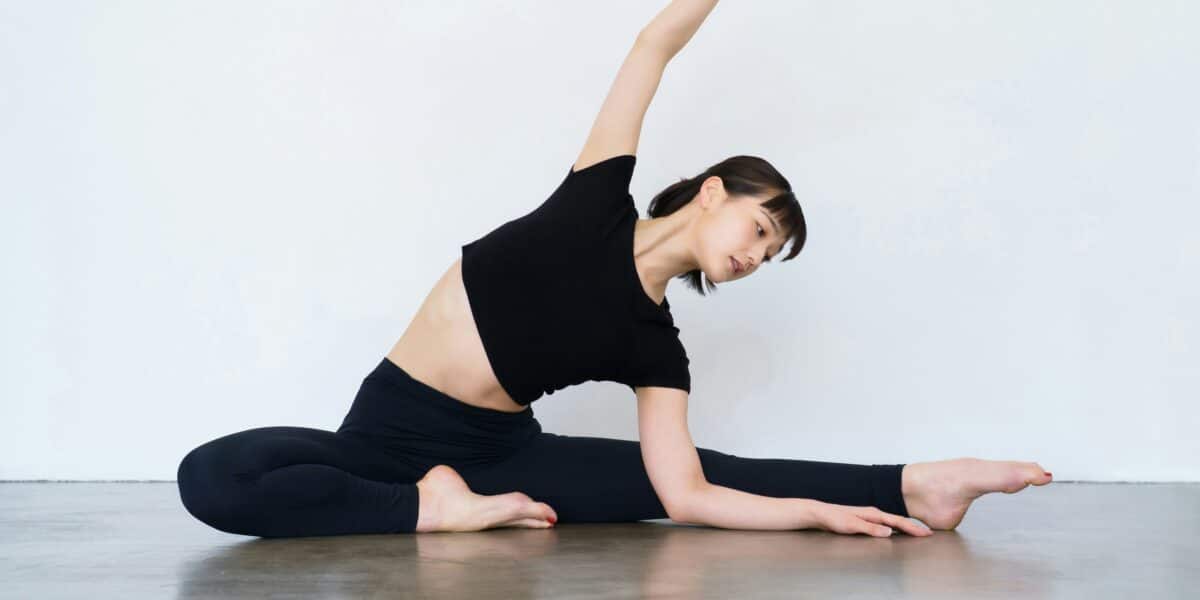
The Emotional and Mental Health Benefits of Somatic Exercise

What Somatic Exercise Means

Somatic exercise refers to movement practices that emphasise awareness of internal body sensations. According to the Cleveland Clinic, somatic movement “doesn’t focus on form, goals or competition. It revolves around how your body feels.” (Cleveland Clinic)
In plain terms this means paying close attention to how the muscles, joints or breath feel while moving. It is less about reaching a target or performing perfect technique and more about what the body is experiencing.
For someone who may feel anxious, stressed or disconnected from their body, somatic exercise can offer a more gentle way to engage movement—one that encourages noticing rather than pushing. This can bring both emotional and mental-health benefits for women who carry many roles, stressors and responsibilities.


How Somatic Exercise Can Calm Nervous Responses

The nervous system plays a key role in how the body and mind respond to stress. Somatic practices aim to shift attention from habitual tension patterns to more regulated states of being. Research shows that a body-oriented approach called Somatic Experiencing, used for trauma and stress, had positive effects on “affective and somatic symptoms and measures of well‐being” in non-traumatised samples. (PMC)
For example, a woman might notice her shoulders tighten when she is anxious. Through slow, intentional movement or gentle awareness of that sensation, she may allow the shoulders to soften and the breath to ease. Over time, this can reduce the sense of being on high alert.
This does not replace mental-health care when needed, but it offers a practical, approachable tool. For women balancing career, family, or other demands, somatic movement can enable small but meaningful shifts in how the body and mind respond to pressure.


The Role Of Body Awareness In Emotional Regulation

Emotional regulation refers to how a person manages their feelings so they don’t feel overwhelmed. There is growing evidence that movement practices that emphasise internal awareness—what researchers call “interoceptive awareness”—can support this process.
In a relatable scenario, a woman may feel a “knot” in her stomach when worried. Through somatic exercise, she may learn to notice that knot, label it as tension rather than a looming threat, and respond with movement or breath to ease it. Over tim,e this process helps reduce the automatic reaction of anxiety or stress.
This kind of practice helps women build familiarity with their physical responses to emotion. When the body and brain are more accustomed to noticing sensations early, there may be more space to respond rather than react.


How Somatic Exercise Supports Mental Well-Being

Women often multitask and juggle demands. Somatic movement offers a way to engage the body and mind together, supporting mental well-being in several ways.
First, it offers a non-judgmental way to move. Unlike high-intensity exercise that may feel like a task, somatic exercise asks “how does this feel?” rather than “how many reps?” The article in Verywell Health notes that somatic exercise prioritises internal awareness and may “lower stress and anxiety” by helping the body release emotional tension. (Prevention)
Second, by practising movement that emphasises internal experience, women may become more attuned to their mental-health signals—such as fatigue, mood shifts, or tension. Awareness supports earlier recognition of stress or emotional unease.
Third, movement itself impacts the brain and body in ways that support mental health. While research is still developing, exercise more broadly has been associated with improved mood, better sleep, and reduced anxiety. Somatic practice may offer a gentle entry point for women who feel fatigued or intimidated by more intense workouts.


Practical Ways Women Can Try Somatic Exercise

Women may feel uncertain or cautious about starting a new movement practice. Somatic exercise can fit into everyday life with small adjustments.
Begin with a short session: for example, 5 minutes of sitting or lying down, noticing the breath, then slowly moving fingers, toes, and shoulders. The Johns Hopkins Medicine’s “somatic shorts” concept describes busy people using short movement sessions to reconnect with their bodies.
Choose familiar settings: a living room, bedroom or quiet corner of a home or office. Wear something comfortable. The goal is to move gently and attend to internal sensations—such as how the feet feel on the floor, how the shoulders soften, or how the breath flows in and out.
Women may also consider guided sessions: online videos labelled “somatic movement,” or classes in yoga or body-awareness that focus on sensation rather than performance. The key is patience and kindness to the body. Progress is gradual, and that is normal.


When Somatic Exercise Feels Difficult

Some women may encounter challenges: movement may stir up emotions, tightness may feel uncomfortable, or there may be uncertainty about what “bodily awareness” means. These responses are understandable and not a sign that the practice is wrong.
If movement brings up strong emotions or sensations, pausing, slowing, or returning to breath may help. Because somatic practice invites awareness of body and mind, tension or emotion may reveal itself more clearly than expected. That can be unsettling.
If there are major mental-health concerns—like persistent anxiety, depression or trauma—somatic exercise should be seen as part of a broader support structure. It does not replace professional care. However it can provide a gentle companion to more formal therapy or support.


What To Expect Over Time

Over time women who engage in somatic exercise often report a deeper sense of connection with their body, glimmers of clarity when emotions arise, and more gentle self-care habits. These changes don’t happen overnight.
For instance a woman managing a demanding job may start by doing two short somatic sessions a week. After a month she may notice she recognises the tension building in her neck earlier, and chooses a movement or breath pause. After several months the practice may help her feel more resilient, more centred in busy moments.
The important point is consistency rather than intensity. A few minutes of regular-movement awareness may yield more benefit than occasional high-effort workouts. For women seeking emotional-and-mental health support, somatic exercise offers a manageable, approachable route to greater self-understanding and gentle wellness.

Conquering Physical Challenges: Strategies for Success from “Miracles Do Happen”

By: Melissa M. Goins

Living with physical challenges can be daunting. It requires not only dealing with daily difficulties but also facing social barriers. However, Eileen Connors’ memoir, Miracles Do Happen, highlights how one may navigate these challenges with determination, innovative strategies, and support.  

Let’s explore key strategies from her life that anyone facing physical challenges can apply to lead a successful and fulfilling life.

Embrace Adaptability

One of the first steps in overcoming physical challenges is embracing adaptability. Life might not look exactly how you envisioned, but adapting your goals and methods can lead to success and happiness.

  • Be Flexible with Your Goals: Eileen’s journey teaches us that while goals are important, being flexible about how you achieve them is crucial. Physical limitations might mean adjusting your timelines or the paths to your goals, but it doesn’t mean giving up on them.

  • Use Adaptive Tools and Technology: Today, technology offers various tools that can help overcome physical barriers. From mobility aids to voice-activated software and customizable prosthetics, there are more options than ever to assist those with physical challenges. Eileen’s story is filled with examples of using medical innovations to enhance mobility and independence.

Foster a Supportive Network

The importance of having a strong support network cannot be overstressed. The emotional, physical, and logistical help from friends, family, and community resources can be transformative.

  • Build Strong Family Connections: Family can provide a level of emotional and physical support that is hard to find elsewhere. Their understanding of your daily challenges and emotional needs can make a significant difference in your life.

  • Connect with Communities: There are many groups and communities for nearly every condition or challenge. Connecting with these can provide not only emotional support and friendship but also practical advice and shared experiences that can guide you
    through your journey.

Cultivate Mental Resilience

Physical challenges are not just physical; they also impact your mental health. Cultivating mental resilience is crucial for thriving despite adversity.

  • Practice Positivity and Gratitude: Maintaining a positive outlook and practicing gratitude can change how you experience everyday life. Focusing on what you can do and what you have, rather than what you can’t do or what you’ve lost, fuels resilience.

  • Engage in Mental Health Practices: Regular practices like meditation, mindfulness, and counseling can significantly boost mental health. These practices help manage stress, reduce feelings of isolation or depression, and enhance overall well-being.

Stay Physically Active

Physical activity is crucial, not only for physical health but also for mental and emotional well-being. Even with physical limitations, finding ways to stay active can improve strength, flexibility, and reduce the risk of secondary health issues.

  • Adapt Physical Activities: Adapting physical activities to meet your abilities can help maintain fitness and mobility. Whether it’s adaptive yoga, swimming, or using assistive devices to aid movement, staying active is feasible and beneficial.

  • Consult with Professionals: Working with physical therapists or trainers who specialize in adaptive physical activity can provide safe and effective exercise routines tailored to your needs.

Learn Continuously

Living with physical challenges is a continuous learning process. Staying informed about new medical developments, adaptive technologies, and helpful resources can make managing your condition easier.

  • Stay Updated on Medical Innovations: New treatments and technologies are constantly being developed. Keeping in touch with healthcare providers and following relevant medical news may open up new possibilities for managing your condition.

  • Educate Others: Sharing your knowledge and experience may help educate others about physical challenges, increasing empathy and understanding. It also strengthens your voice in the community and may lead to improvements in accessibility and rights for those with disabilities.

Conclusion

Eileen Connors’ life, as detailed in Miracles Do Happen, is a powerful reminder that physical challenges do not define one’s potential. By adopting adaptable strategies, building a support network, maintaining physical and mental health, and continuously learning, many people can work toward leading a fulfilling life.

If stories of overcoming adversity resonate with you and you’re looking for practical advice on thriving despite physical limitations, Miracles Do Happen offers valuable insights. Explore Eileen Connors’ remarkable journey and discover how you, too, may conquer your physical challenges with resilience and grace.