Women's Journal

National Women’s Enterprise Day Showcases Female Entrepreneurs

A National Celebration of Women in Business

Ireland marked its 19th National Women’s Enterprise Day (NWED) on October 16, 2025, with 15 events held across the country. The initiative, supported by Local Enterprise Offices and Enterprise Ireland, is designed to spotlight female entrepreneurs and provide a platform for sharing experiences across industries. The day has become a cornerstone event for women in business, offering both inspiration and practical guidance.

According to Goss.ie, this year’s program featured leaders from law, design, hospitality, wellness, and media. Among the speakers were broadcaster and entrepreneur Norah Casey, international human rights lawyer Joanna Frivet, and designer Helen Steele. Their participation underscored the diversity of women’s contributions to business and culture.

The event’s structure reflects a commitment to inclusivity. By hosting multiple gatherings nationwide, NWED ensures that women at every stage of business—whether launching a start‑up or scaling an established company—can access mentorship and community support.


Sharing Journeys Across Industries

One of the defining features of NWED is the sharing of personal journeys. Entrepreneurs spoke candidly about challenges they faced, from securing funding to balancing professional and personal responsibilities. These stories provided reassurance for attendees who may be navigating similar obstacles.

Speakers such as Oonagh O’Hagan, a successful entrepreneur in the pharmacy sector, and Sarah Butler, a home and food influencer, highlighted how diverse paths can lead to business success. Their experiences demonstrated that entrepreneurship is not confined to one model but can be shaped by individual strengths and passions.

By including voices from hospitality, wellness, and creative industries, the event emphasized that women’s leadership extends across all sectors. This diversity of representation helps dismantle stereotypes and broadens the definition of what it means to be a female entrepreneur.


The Role of Mentorship and Community

Mentorship emerged as a central theme throughout the day. Experienced leaders stressed the importance of guiding the next generation of entrepreneurs, not only through advice but also through active support networks.

The Local Enterprise Office, which coordinates NWED, highlighted how mentorship programs and training initiatives are available year‑round. However, the concentrated focus of the day allows women to connect directly with role models and peers. This sense of community is often cited as one of the most valuable outcomes of the event.

As The Journal reported, NWED is designed to encourage women who may be considering entrepreneurship to take their first steps. By hearing from those who have already built businesses, attendees gain both confidence and practical insights.


Addressing Barriers to Growth

While the event celebrated success, it also acknowledged the barriers women continue to face in business. Access to capital, underrepresentation in leadership roles, and balancing caregiving responsibilities remain challenges for many.

Speakers emphasized the need for systemic support, including policies that promote gender equality in the workplace and investment in female‑led enterprises. By addressing these issues openly, NWED positioned itself not only as a celebration but also as a forum for advocacy.

Workshops and panel discussions provided practical strategies for overcoming barriers. Topics included digital marketing, sustainable business practices, and leadership development. These sessions ensured that attendees left with actionable tools as well as inspiration.


Global Relevance of Women’s Enterprise

Although NWED is an Irish initiative, its themes resonate globally. Female entrepreneurship is gaining momentum worldwide, with women increasingly recognized as drivers of innovation and economic growth. Events like NWED contribute to this momentum by creating visible platforms for women’s achievements.

The global relevance is reflected in the participation of international speakers and the attention the event receives beyond Ireland. By showcasing success stories, NWED contributes to a broader narrative of women’s leadership that inspires audiences across borders.

As Local Enterprise Office notes, the event is part of a larger effort to promote entrepreneurship as a viable and rewarding path for women. This aligns with international initiatives that seek to close gender gaps in business and leadership.


Outlook for Women Entrepreneurs

The outlook for women entrepreneurs in Ireland and beyond is promising. With growing support from government agencies, private investors, and community organizations, opportunities for women in business are expanding. Events like NWED play a crucial role in sustaining this momentum by providing visibility, mentorship, and encouragement.

The continued success of NWED demonstrates the value of collective celebration and shared learning. By bringing together women from diverse industries and backgrounds, the event reinforces the idea that entrepreneurship is not a solitary journey but a community effort.

For attendees, the message was clear: women’s contributions to business are vital, and their stories deserve to be heard. As more women step into leadership roles, the ripple effects will be felt across economies and societies.
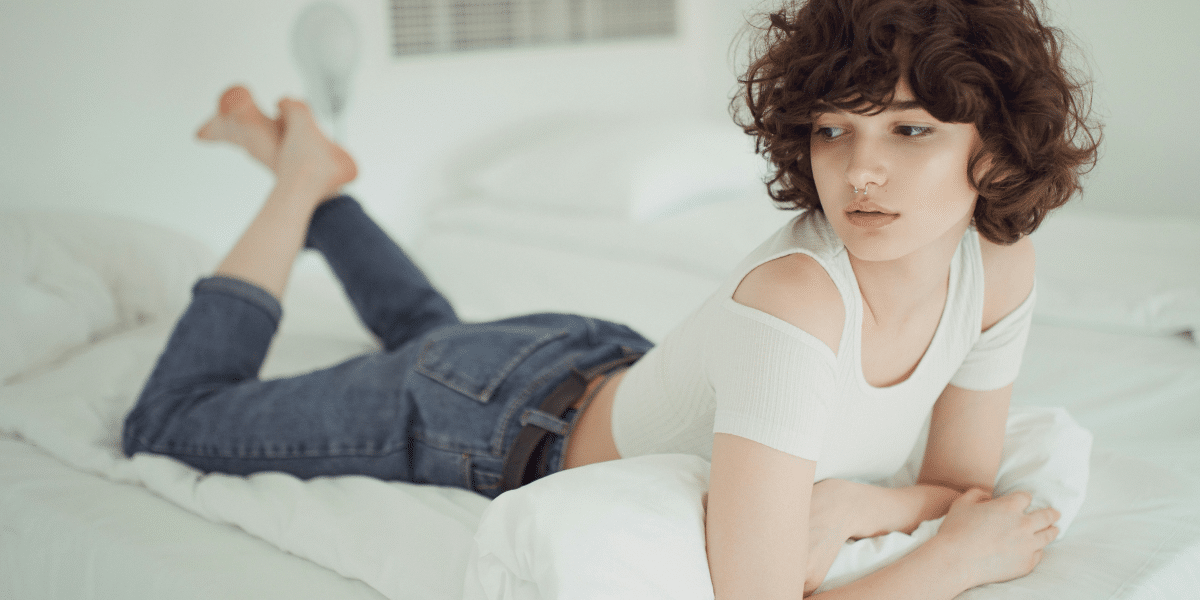
Unlocking Beauty: How Good Sleep Makes You Look Amazing


Why Sleep Matters for Beauty

Sleep is more than rest for the mind. It is also a period when the body repairs itself, and this process directly affects appearance. During deep sleep, blood flow to the skin increases, allowing cells to rebuild and recover from daily stressors such as sun exposure and pollution. This natural repair cycle is why consistent, quality sleep is often associated with healthier skin and a more refreshed look.

According to Medical Xpress, research confirms that “beauty sleep” is not a myth. A sleep medicine expert explains that skin health and youthfulness are closely tied to rest. People who consistently sleep well tend to have fewer wrinkles, better skin hydration, and a more even complexion.

The benefits extend beyond the skin. Sleep also influences how others perceive attractiveness. Studies show that people who are well‑rested are often rated as healthier and more appealing. This perception is linked to visible signs such as brighter eyes, smoother skin, and reduced puffiness.


The Skin’s Nighttime Renewal

The skin follows a natural rhythm known as the circadian cycle. At night, this cycle shifts into repair mode. Collagen production increases, helping to maintain skin elasticity and reduce fine lines. At the same time, growth hormone levels rise, stimulating cell regeneration and tissue repair.

As My Clean Nails reports, research shows that skin cell division nearly doubles between 10 p.m. and 2 a.m. This period is considered the peak time for skin renewal. Missing out on sleep during these hours can disrupt the process, leading to dullness and slower recovery from environmental damage.

Moisture balance is also regulated during sleep. The skin’s barrier function improves, reducing water loss and keeping the complexion hydrated. This explains why poor sleep is often linked to dryness, irritation, or uneven texture.


The Impact on Hair and Nails

Hair and nails also benefit from restorative sleep. Blood circulation improves during rest, delivering essential nutrients and oxygen to hair follicles and nail beds. This nourishment supports growth and strength.

Lack of sleep, on the other hand, can contribute to hair thinning or breakage. Stress hormones such as cortisol rise when sleep is disrupted, and elevated cortisol levels are associated with hair shedding. Similarly, nails may become brittle or slow to grow when the body is deprived of adequate rest.

By maintaining consistent sleep patterns, the body is better able to allocate resources to non‑essential but visible functions such as hair shine and nail strength. These subtle changes contribute to an overall healthier appearance.


Reducing Puffiness and Dark Circles

One of the most noticeable effects of poor sleep is puffiness around the eyes and the appearance of dark circles. These changes occur because inadequate rest can cause blood vessels to dilate and fluid to accumulate under the eyes.

The Sleep Foundation notes that consistent, quality sleep helps reduce these issues by allowing the body to regulate circulation and fluid balance. Over time, this leads to a brighter, more refreshed look.

Dark circles are also linked to reduced collagen production and thinning skin under the eyes. Since collagen synthesis increases during sleep, getting enough rest helps maintain the skin’s thickness and resilience, making under‑eye shadows less pronounced.


The Role of Hormones in Beauty Sleep

Hormones play a significant role in how sleep affects appearance. Melatonin, often called the sleep hormone, is also a powerful antioxidant. It helps protect the skin from free radicals, which are unstable molecules that contribute to aging.

Growth hormone, released during deep sleep, supports tissue repair and collagen production. This hormone is essential for maintaining skin firmness and elasticity. Without adequate sleep, growth hormone levels decline, slowing the repair process.

Cortisol, the stress hormone, decreases during quality sleep. Lower cortisol levels reduce inflammation, which can otherwise trigger acne, eczema, or other skin conditions. Balanced hormones create an environment where the skin, hair, and nails can thrive.


Sleep and Mental Wellbeing

The benefits of sleep extend beyond physical appearance. Mental wellbeing is closely tied to rest, and mood often influences how people present themselves. A well‑rested person is more likely to feel confident, energetic, and positive, which enhances overall attractiveness.

Chronic sleep deprivation, by contrast, is linked to irritability, stress, and difficulty concentrating. These effects can indirectly impact appearance, as stress often manifests in the skin through breakouts or dullness.

By supporting both physical and emotional health, sleep creates a foundation for beauty that is sustainable and natural. It reinforces the idea that wellness and appearance are interconnected.


Practical Steps for Better Sleep

Improving sleep quality does not always require drastic changes. Simple adjustments to daily routines can make a difference. Maintaining a consistent bedtime, limiting screen use before sleep, and creating a calm environment all support better rest.

Nutrition also plays a role. Avoiding caffeine late in the day and choosing light, balanced evening meals can help regulate sleep cycles. Hydration is important, but drinking large amounts of water right before bed may disrupt rest.

Physical activity during the day promotes deeper sleep at night. Even moderate exercise, such as walking or stretching, can improve sleep quality. These practical steps reinforce the body’s natural rhythms and enhance the restorative effects of rest.


Outlook for Beauty and Sleep Research

The connection between sleep and beauty continues to be a focus of scientific research. Studies are exploring how sleep influences not only skin health but also long‑term aging and disease prevention.

As awareness grows, more people are recognizing sleep as a central part of self‑care. Beauty routines are increasingly incorporating sleep hygiene, with products and practices designed to complement the body’s nighttime repair cycle.

The outlook is reassuring: by prioritizing rest, individuals can support both health and appearance in ways that are natural and sustainable. Sleep remains one of the most accessible and effective tools for maintaining beauty and wellbeing.