Women's Journal

Why Full-Spectrum Omegas Could Be the Next Big Thing in Women’s Wellness

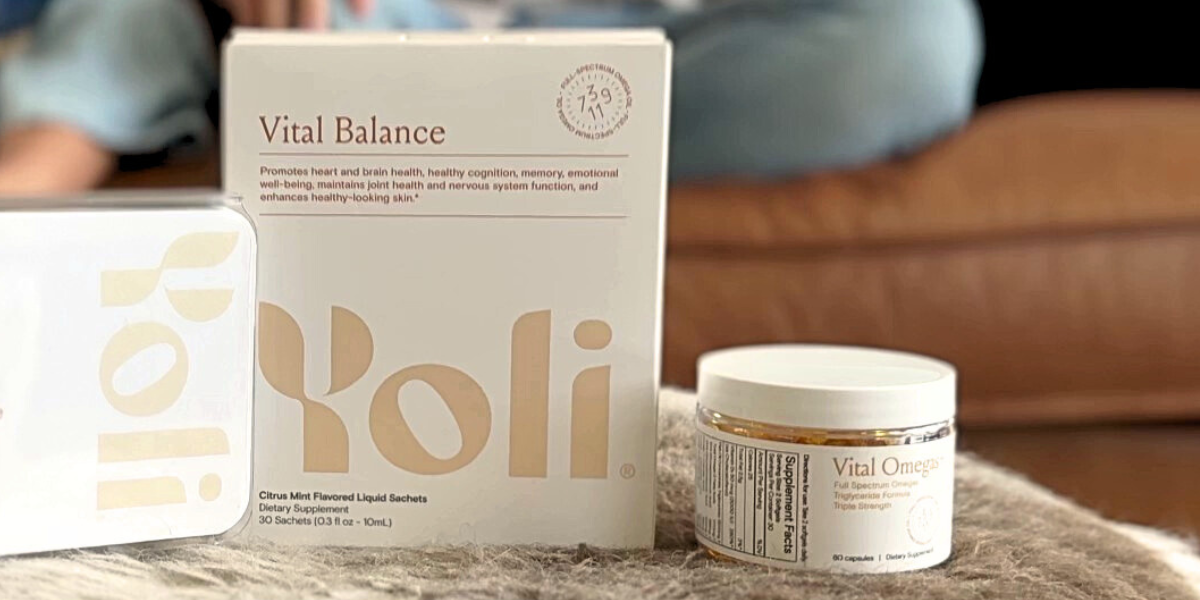
When you think of omegas, chances are your mind goes straight to omega-3s. They’ve been marketed for decades as the go-to supplement for heart and brain health. And while they’re important, focusing only on omega-3s is like eating just one food group—it leaves out an entire spectrum of nutrients your body craves.

That’s why experts are calling full-spectrum omegas the next big thing in women’s wellness. And at the center of the conversation is Vital Balance, a modern supplement thoughtfully formulated with liposomal delivery to support more efficient nutrient absorption and cellular wellness.

Why Women Need More Than Omega-3

Women navigate unique wellness needs at every life stage—from energy fluctuations and hormonal transitions to changes in skin and metabolism. While omega-3s support cardiovascular and cognitive health, they’re only part of the picture.

Emerging research highlights the overlooked power of omega-7 and omega-11:

  • Omega-7 supports skin hydration, elasticity, and resilience. Think of it as an internal support for your skin’s natural moisture barrier that helps keep your glow strong, even when hormones or stress want to steal it away.
  • Omega-11 plays a role in metabolic support, including fat utilization and glucose balance, which are key for energy and hormonal harmony.

Add in omega-9, known for its role in supporting circulatory health and cellular balance, and suddenly you have a more complete approach to women’s wellness—inside and out.

The Full-Spectrum Solution

This is where Vital Balance stands out. Unlike traditional fish oil capsules that focus mainly on omega-3s, Vital Balance delivers Omegas 3, 7, 9, and 11, plus Vitamin D3 and polyphenol antioxidants from olive fruit and pomegranate.

Together, this full-spectrum blend supports:

  • Skin health and aging support: Hydration, elasticity, and resilience for a healthy, youthful-looking appearance
  • Metabolism and energy: fat utilization, healthy glucose balance, and sustained vitality.
  • Hormonal balance: omegas play a role in cell signaling and inflammation balance, both key in maintaining women’s hormonal balance.
  • Cardiovascular and brain support: the classic benefits of omega-3, strengthened by the synergy of other omegas.
  • Cellular longevity: antioxidants and fatty acids work together to help reduce oxidative stress and support long-term health.

It’s beauty, energy, and vitality—all connected through one daily ritual.

The Absorption Breakthrough

Of course, it’s not just what’s in your supplement—it’s what your body can actually absorb. Vital Omegas+ already set a high standard here, offering clean, science-backed omega support in a capsule designed for everyday consistency and long-term wellness.

Now, Vital Balance builds on that foundation with liposomal delivery technology—a next-generation system that helps your body absorb and utilize omegas even more efficiently. It’s the same commitment to purity and science, now in a portable liquid format made for those who prefer on-the-go freshness and rapid bioavailability.

Vital Balance also boasts ultra-low oxidation, which means the oils stay fresher and more potent. No rancid taste, no compromised effectiveness—just clean, powerful nutrition.

Why Full-Spectrum Omegas Could Be the Next Big Thing in Women’s Wellness

Photo Courtesy: Yoli

Wellness That Fits Your Life

Supplements only work if you take them consistently. That’s why Vital Balance is designed to be as easy and enjoyable as possible. Each serving comes in a single-serve liquid sachet with a refreshing mint flavor. Tear one open and take it straight, or add it to a smoothie or salad.

No giant capsules. No fishy aftertaste. No excuses.

For busy women juggling careers, families, and self-care, this kind of on-the-go convenience makes the difference between another forgotten supplement and a lasting daily ritual.

Why Full-Spectrum Omegas Are Here to Stay

Women’s wellness is no longer about quick fixes or one-size-fits-all solutions. It’s about personalized, integrative approaches that honor the complexity of our bodies. Full-spectrum omegas fit right into this evolution: they help support skin hydration, metabolic function, and hormonal balance—while also contributing to heart, brain, and cellular health.

Vital Balance is leading the way, offering a blend that’s not only comprehensive but also delivered with modern science for real absorption and long-term vitality.

The Takeaway

Collagen and skincare serums have their place, but if you want to glow, thrive, and age well, you need to fuel your body from within. Full-spectrum omegas—especially omega-7 and omega-11—are emerging as powerful allies in that journey.

For women ready to take their wellness to the next level, this isn’t just another supplement trend. It’s a daily ritual with the potential to transform how you look, feel, and live—today and for years to come.


Disclaimer: The statements made in this article regarding the product have not been evaluated by the Food and Drug Administration (FDA). This product is not intended to diagnose, treat, cure, or prevent any disease. The information provided is for general informational purposes only and should not be considered as medical advice. Readers should consult with a healthcare professional before making any changes to their diet or wellness routine.


Sleep Patterns During Perimenopause: A Lifestyle Change

Perimenopause is a natural phase in a woman’s life that marks the transition toward menopause, usually occurring in the late 40s or early 50s. It’s characterized by changes in the menstrual cycle, fluctuating hormone levels, and a variety of physical and emotional symptoms. Among the many challenges women face during this time, sleep disturbances often become one of the most frustrating.

Changes in sleep patterns during perimenopause can be disruptive and affect daily life. Whether it’s difficulty falling asleep, waking up in the middle of the night, or suffering from hot flashes and night sweats, the impact on sleep quality is significant. Fortunately, various lifestyle changes can help manage these disruptions and promote better sleep.

Why Does Perimenopause Disrupt Sleep?

Sleep Patterns During Perimenopause A Lifestyle Change

Photo Courtesy: Unsplash.com

Sleep patterns during perimenopause change for several reasons, all of which are tied to hormonal shifts. Estrogen and progesterone, the primary female hormones, fluctuate dramatically during this phase. Estrogen, in particular, plays a vital role in regulating the body’s temperature, mood, and sleep cycle. As levels drop, many women experience symptoms such as hot flashes, night sweats, and insomnia, all of which interfere with sleep quality.

Progesterone, another key hormone, is involved in promoting relaxation and sleep. As progesterone levels decrease, women may have more trouble falling and staying asleep. These hormonal imbalances often lead to fragmented sleep and increased awakenings during the night.

How Can Sleep Patterns During Perimenopause Be Managed?

Despite the challenges, many women find relief by adopting certain lifestyle changes. These adjustments can help manage sleep disturbances associated with perimenopause, restoring much-needed rest.

1. Establishing a Consistent Sleep Schedule

Maintaining a regular sleep schedule is one of the simplest and most effective ways to improve sleep. Going to bed and waking up at the same time each day helps to regulate the body’s internal clock, promoting a more stable sleep pattern. It’s important to create a wind-down routine before bed to signal to the body that it’s time to sleep. This can include activities like reading, practicing deep breathing, or taking a warm bath.

Staying consistent with sleep times also helps avoid the grogginess that often comes from erratic sleep patterns. By setting a regular bedtime, the body becomes accustomed to a routine, making it easier to fall asleep and stay asleep throughout the night.

2. Creating a Comfortable Sleep Environment

The bedroom environment plays a significant role in sleep quality. During perimenopause, women often struggle with temperature fluctuations due to hot flashes and night sweats. To help manage these symptoms, it’s helpful to keep the bedroom cool and well-ventilated. A fan, air conditioner, or moisture-wicking bedding can make a big difference in staying comfortable throughout the night.

Additionally, a dark, quiet environment is essential for optimal sleep. Using blackout curtains or an eye mask to block out light and earplugs or a white noise machine to drown out noise can help create a peaceful setting for rest. Keeping the bedroom free from distractions like electronics or bright screens before bed can also improve sleep quality.

3. Mindful Eating and Drinking Habits

What’s consumed before bed can greatly impact sleep patterns. Women going through perimenopause should avoid consuming caffeine, alcohol, and large meals close to bedtime. Caffeine, found in coffee, tea, and chocolate, can interfere with the body’s ability to relax and fall asleep. Alcohol may initially make a person feel drowsy, but it can disrupt the sleep cycle, leading to fragmented sleep. Heavy meals, on the other hand, can cause indigestion or discomfort, making it difficult to sleep soundly.

Instead, opt for light snacks like a small piece of fruit or a handful of nuts, which are less likely to disrupt sleep. Staying hydrated throughout the day is essential, but it’s a good idea to limit liquids before bedtime to prevent waking up for trips to the bathroom during the night.

4. Exercise and Physical Activity

Regular physical activity is beneficial for overall health and can also contribute to better sleep. Exercise helps to reduce stress, anxiety, and depression, all common issues that affect sleep during perimenopause. Engaging in activities like walking, swimming, or yoga can help the body relax and prepare for restful sleep.

However, timing matters when it comes to exercise. Intense physical activity right before bedtime can make it harder to fall asleep due to an increase in adrenaline. It’s best to aim for a workout earlier in the day to give the body time to wind down before bed.

5. Relaxation Techniques and Stress Management

Stress is another factor that can interfere with sleep during perimenopause. Managing stress is critical for improving sleep quality. Relaxation techniques like mindfulness meditation, progressive muscle relaxation, or deep breathing exercises can help calm the nervous system and prepare the body for rest.

Creating a calming bedtime routine can also make a big difference. Gentle stretches or a brief period of relaxation before bed can signal to the body that it’s time to wind down. Journaling, listening to soothing music, or practicing gratitude can all help reduce anxiety and clear the mind before sleep.

When to Consider Professional Help for Sleep Issues

If lifestyle changes don’t seem to alleviate sleep disturbances, it may be time to seek professional help. Persistent insomnia or severe night sweats that disrupt sleep can be managed through medical treatments. Hormone replacement therapy (HRT) is one option that can help balance estrogen and progesterone levels, alleviating hot flashes and other symptoms that affect sleep.

In some cases, cognitive behavioral therapy for insomnia (CBT-I) is a highly effective non-medical treatment. CBT-I focuses on changing the thoughts and behaviors that contribute to poor sleep, and it has shown positive results for women going through perimenopause.

Can Supplements Help with Sleep During Perimenopause?

While some women turn to over-the-counter supplements to aid sleep, it’s important to approach this option cautiously. Melatonin, a hormone that regulates sleep-wake cycles, may be helpful for some individuals experiencing difficulty falling asleep. However, it should only be used in consultation with a healthcare provider. Herbal supplements, such as valerian root or chamomile, are also commonly used, but their effectiveness varies from person to person.

Managing Cognitive Effects of Poor Sleep

Sleep Patterns During Perimenopause A Lifestyle Change

Photo Courtesy: Unsplash.com

Poor sleep during perimenopause can also lead to cognitive issues like brain fog, affecting concentration and memory. Addressing sleep issues may alleviate these symptoms as well. With improved sleep, mental clarity and focus often return, helping women feel more in control of their daily activities.

Navigating sleep disturbances during perimenopause can be challenging, but with the right lifestyle changes, most women can find relief. By establishing a consistent sleep schedule, creating a comfortable sleep environment, managing diet, and practicing relaxation techniques, women can improve their sleep quality. When lifestyle changes aren’t enough, professional help is available to provide further support. Understanding how hormonal changes impact sleep and addressing these changes proactively can help women feel more rested and energized during this transitional phase.

Dr. Jessica Lowe: The Doctor Behind the Brain Barbie Movement

On a busy day in the hospital, a code was called. Doctors and nurses rushed into the room, and a young woman in heels and red lipstick stepped forward. For a brief moment, the room went quiet. Then she gave the first order, and everyone followed her lead. That moment captured something essential about Dr. Jessica Lowe. She is a physician who commands authority not by fitting into the mold of what people expect, but by breaking it apart and showing a new example of what leadership can potentially look like.

Dr. Jessica Lowe, known online and in the media as Doctor Brain Barbie, is a double-boarded neurologist and epileptologist who has built a career at the intersection of medicine, education, and advocacy. Originally from The Bahamas, she came to the United States with a mission: to serve communities that often lacked access to specialized neurological care. She went on to train rigorously in neurobiology, neurology, and epilepsy, eventually leading epilepsy programs and stroke codes in Delaware. Yet her story is not just about medicine. It is also about representation, resilience, and the potential for creating space where none existed before.

Medicine was never short on obstacles. Dr. Jessica Lowe faced moments of bias familiar to many women in healthcare: being mistaken for a nurse after introducing herself as the doctor, having her competence questioned because of her appearance, and being judged for embracing her femininity in a profession that often rewards conformity. Instead of dimming her light, she chose to stand taller in it. She created Doctor Brain Barbie, a platform that makes brain health approachable, while also challenging the unspoken rules about who belongs in medicine and what a doctor should typically look like.

Dr. Jessica Lowe The Doctor Behind the Brain Barbie Movement

Photo Courtesy: Dr. Jessica Lowe

Doctor Brain Barbie began simply: short videos explaining common neurological conditions. But the impact grew over time. Her viral “McMigraine” trend helped many viewers understand the signs of migraine, and one follower even credited her videos with helping save her life after recognizing seizure symptoms and seeking care. For Dr. Jessica, that moment was a turning point. This was not just about content; it was about changing lives by giving people the knowledge and confidence to advocate for themselves.

Her work is both playful and powerful. She speaks in plain language, mixes medical facts with humor, and never shies away from showing her personality. She wears pink scrubs, drives fast cars, and posts with confidence. To some, that combination seems unexpected. To her, it is the point. She wants young women in STEM to see that brilliance and style are not opposites, and that you don’t need to sacrifice authenticity to be respected.

Recognition soon followed. In 2024, she was named one of Delaware’s recognized doctors. A year later, she became the American Heart Association’s Woman of Impact, leading a campaign that raised over $88,000 for heart health initiatives. She serves on the board of the Epilepsy Foundation of Delaware and on the executive leadership committee for the Go Red for Women campaign. These honors are not just milestones; they are proof that her blend of expertise and advocacy resonates with patients, peers, and institutions alike.

Her brand is more than a personal project. It is a movement with a clear mission: to humanize medicine and make brain health accessible to as many people as possible. Too often, patients leave offices confused or unheard. She insists that education should be clear, compassionate, and even fun. By speaking both “doctor” and “human,” she reaches audiences that traditional healthcare messaging often misses — patients scrolling on TikTok, young women seeking role models, or caregivers looking for guidance in the middle of the night.

Yet behind her polished presence lies a personal story of persistence. Growing up in The Bahamas, she earned scholarships that carried her through international study, medical school, and advanced training. She became Chief Resident during her neurology residency and pursued fellowship training in epilepsy. At every step, she achieved academically while also carving her own lane. She was not content to only treat patients in clinics and hospitals; she wanted to shift the conversation around medicine itself.

Dr. Jessica Lowe often reflects on the young women watching her journey. She remembers being told that femininity might undermine credibility, that being bubbly or stylish could make her less respected. Instead of conforming, she leaned into what made her unique. The bows, the pink, and the confidence are not distractions from her expertise. They are signals to others that there is no single way to be taken seriously in medicine. Her mantra is clear: the bow and the brain can easily coexist.

Looking to the future, she sees Doctor Brain Barbie expanding into a global platform. She envisions creating accessible patient education tools, hosting a health-focused television series, and continuing to speak on major stages. She hopes to build a community that changes how people talk about brain health and how women see themselves in leadership.

Her work is already sparking change. Patients are finding answers sooner. Young women in STEM are finding inspiration. And the broader public is discovering that medicine can be smart, approachable, and boldly authentic. In every video, speech, and patient interaction, Dr. Jessica Lowe delivers the same message: competence speaks louder than stereotypes, and authenticity is a form of power.

Dr. Jessica Lowe is not only saving lives with her medical expertise but is also shifting culture with her presence. She is showing the world that doctors can be brilliant and glamorous, serious and approachable, authoritative and relatable. And perhaps most importantly, she is demonstrating that when women in medicine claim their full identity, they open the door wider for those who come next.

Follow her journey on Instagram @doctorbrainbarbie and TikTok @doctorbrainbarbie.

How to Adapt Your Skincare Routine for the Summer Months

As the weather warms up, it’s important to adjust a skincare routine to meet the changing demands of the summer months. Hot temperatures, increased sun exposure, and humidity can all affect the skin differently than in colder months. Here’s a straightforward guide on how to adapt a skincare routine to ensure the skin stays healthy, hydrated, and protected throughout the summer.

Adjusting to Summer’s Unique Skin Demands

When the sun shines brighter and the temperatures rise, the skin often produces more oil to combat the heat. This can lead to breakouts and excess shine, especially for those with oily or combination skin. To address these changes, it’s essential to make modifications to the skincare routine that account for the shift in both weather and skin behavior.

Focus on Light, Non-Comedogenic Products

Heavy creams that worked well during the colder months may not be suitable for the summer. During warmer weather, skin needs breathable products that won’t clog pores. Opting for lightweight, non-comedogenic formulas that don’t block pores can help maintain healthy, balanced skin. This is especially beneficial for people who are prone to acne or breakouts, as the excess oil production in summer can exacerbate these issues.

For cleansing, a gentle, oil-free face wash helps remove dirt and sweat without stripping the skin’s natural moisture. Look for ingredients like salicylic acid or glycolic acid, which help to control excess oil while exfoliating the skin lightly.

Keep the Skin Hydrated

How to Adapt Your Skincare Routine for the Summer Months

Photo Credit: Unsplash.com

Even though summer brings more heat and humidity, hydration remains a crucial part of any skincare routine. Hot temperatures and long hours spent outdoors can lead to dehydration, making it vital to drink plenty of water and use products that lock moisture into the skin.

Incorporate Hydrating Serums and Mists

Instead of relying on heavy moisturizers, opt for hydrating serums that are packed with ingredients like hyaluronic acid, which draws moisture into the skin without feeling heavy. For an added boost, facial mists that refresh and hydrate the skin throughout the day can be a great addition, especially during outdoor activities or after spending time in air-conditioned spaces.

These products help maintain the skin’s moisture balance while still feeling light and refreshing, making them ideal for hot weather.

Shielding the Skin from Sun Damage

Sun protection is a non-negotiable aspect of a summer skincare routine. Exposure to UV rays not only causes premature aging but can also lead to skin damage and increase the risk of skin cancer. It’s important to choose a sunscreen that is suitable for the individual skin type and offers broad-spectrum protection against both UVA and UVB rays.

Daily Sunscreen Application

Sunscreen should be applied generously every morning, even on cloudy days or when staying indoors, as UV rays can still penetrate windows. For daily wear, opt for a lightweight sunscreen with SPF 30 or higher. People with sensitive skin should choose mineral sunscreens with zinc oxide or titanium dioxide, as these ingredients are less likely to irritate.

Additionally, a good sunscreen should be reapplied every two hours, especially if sweating or swimming. Many sunscreens now come in convenient spray or stick forms, making it easier to apply throughout the day, even when on the go.

Exfoliation: A Necessary Adjustment

Exfoliation is a vital step in maintaining smooth, glowing skin, but it requires careful attention during the summer. While exfoliating can help to remove dead skin cells and prevent clogged pores, over-exfoliating in the summer heat can lead to irritation, redness, or sensitivity, especially when combined with sun exposure.

Gentle Exfoliation for Summer

To avoid damaging the skin’s protective barrier, use exfoliating products with gentle acids, such as lactic acid or enzymes, which can help remove dead skin cells without causing irritation. It’s also important to limit exfoliation to once or twice a week to allow the skin time to recover.

Exfoliating at night is ideal, as it ensures that the skin is not immediately exposed to UV rays after removing dead skin cells, which can make the skin more sensitive. If any irritation occurs, it may be helpful to skip exfoliation for a few days and focus on soothing and hydrating products.

Focus on Night Care

While sunscreen is essential during the day, the evening routine plays an equally important role in keeping the skin healthy. As the body repairs itself overnight, the skin also goes through a natural rejuvenation process. This is the best time to incorporate richer treatments to nourish and repair the skin.

Night Creams and Treatments

Using a richer night cream or treatment can help support the skin’s repair process while sleeping. Opt for ingredients like peptides, vitamin C, or retinol, which promote collagen production and brighten the skin. For added hydration, a hydrating overnight mask or a facial oil can help lock in moisture and replenish dry skin.

For those with more sensitive skin, it’s advisable to use gentle products that support the skin’s barrier repair without being too harsh. These can include soothing ingredients like aloe vera, chamomile, or niacinamide.

Seasonal Adjustments for Specific Skin Types

Every skin type responds differently to environmental changes, and adapting the skincare routine accordingly can help maintain balance and health. Whether dealing with oily, dry, or combination skin, the key is to tailor the routine to address specific concerns.

For those with oily skin, opting for gel-based or water-based products that control shine without over-drying the skin is ideal. On the other hand, individuals with dry skin may benefit from richer, more emollient creams that offer additional moisture and support.

Those with combination skin may need to focus on balancing the skin’s oil production while keeping dry areas moisturized. For these individuals, multi-tasking products like lightweight moisturizers with added SPF or hydrating mists can be beneficial.

How to Adapt Your Skincare Routine for the Summer Months

Photo Credit: Unsplash.com

Adapting a skincare routine for the summer months requires some thoughtful adjustments to ensure that the skin stays protected, hydrated, and healthy despite the increased heat, sun exposure, and humidity. By incorporating lightweight, non-comedogenic products, focusing on hydration, using daily sun protection, and making gentle exfoliation a priority, anyone can maintain their skin’s balance throughout the season. Each step of the routine helps the skin face the demands of summer, ensuring that it remains smooth, radiant, and well-cared for.

How Societal Beauty Standards Affect Women’s Confidence

Societal beauty standards aren’t just an abstract concept, they directly impact the way women view themselves, shape their behavior, and influence their place in the world. These standards, perpetuated through culture, media, and social influence, create unrealistic ideals of beauty that affect women’s confidence in profound and often damaging ways. It’s not just a matter of personal perception, it’s an issue that affects women on a global scale, influencing their emotional, psychological, and even physical well-being.

How Do Societal Beauty Standards Shape Women’s Self-Perception?

From early childhood, women are exposed to an idealized version of beauty that defines how they should look. Media portrayals, be it in fashion, films, or social media, set an unattainable bar that leaves most women feeling inadequate. These images often represent a narrow, one-dimensional ideal: thin, flawless skin, and symmetrical features. This standard ignores the diversity of real women’s appearances, making many feel disconnected from what’s considered “beautiful” in society.

This constant bombardment of the same image of beauty erodes self-esteem and creates insecurity. Women grow up believing their worth is tied to meeting these ideals. It’s a constant cycle of comparison, judgment, and dissatisfaction. But it’s important to recognize that beauty is not one-size-fits-all, real beauty is about much more than just physical appearance. Yet, this message is rarely portrayed.

How Do Beauty Standards Contribute to Low Confidence in Women?

How Societal Beauty Standards Affect Women's Confidence

Photo Credit: Unsplash.com

The result of these societal pressures is clear: low self-esteem and diminished confidence. When women are repeatedly told that they must fit a specific mold, it’s not surprising that many feel they fall short. The beauty standard, often reinforced by the media and peers, leads to body dissatisfaction, something that many women deal with daily. It becomes difficult to separate one’s self-worth from external validation, especially when social approval seems to hinge on meeting these rigid standards.

Think about the daily barrage of images, advertisements, and expectations that focus on appearance. Whether it’s an Instagram post featuring an influencer with flawless skin or a magazine cover showcasing the “perfect” body, the message is clear, if women don’t measure up, they aren’t good enough. This constant scrutiny chips away at confidence and leads to anxiety, stress, and a negative self-image. Women start to judge themselves solely based on how they look, instead of appreciating their full potential.

Can Beauty Standards Cause Women to Feel Pressured to Change Their Appearance?

Absolutely. The pressure to conform to beauty standards leads many women to make drastic decisions to change their appearance. Cosmetic surgery, extreme dieting, and even unhealthy beauty routines have become common solutions for those striving to meet societal expectations. This isn’t a personal choice for many, it’s a societal obligation.

Take the influence of diet culture, for example. The pressure to be thin is pervasive, and the consequences are severe. Women who don’t fit the “ideal” body type are often labeled as undesirable or less attractive, perpetuating harmful stereotypes. As a result, women may resort to restrictive eating, extreme fitness regimens, and other unhealthy practices in an attempt to alter their bodies, only to find that the standard continues to shift further out of reach. This creates a never-ending cycle of frustration, self-doubt, and diminished self-worth.

Cosmetic surgery is another avenue through which beauty standards manifest their power. From Botox to lip fillers and breast augmentation, cosmetic enhancements are marketed as ways to achieve a certain ideal. This is not about personal choice, it’s the result of a powerful societal pressure that makes women feel they must alter themselves to fit in. In many cases, these changes aren’t about enhancing personal beauty but about meeting an external expectation.

How Do Social Media and Influencers Amplify Beauty Standards?

Social media has become the driving force in magnifying and reinforcing beauty standards. Platforms like Instagram, TikTok, and YouTube bombard users with images of women who appear “perfect” by these standards. What’s important to understand here is that much of this content is heavily curated, using filters, photo editing, and carefully orchestrated shots to create an illusion of perfection.

The problem isn’t just that these images are unrealistic, it’s that they’ve become the yardstick by which women measure their own worth. Influencers, celebrities, and even peers often present themselves in ways that make it difficult for women to feel like they measure up. The endless scroll of flawless faces, bodies, and lifestyles is toxic for anyone trying to find their place in a world that places so much value on outward appearance. For many, it can feel like a daily competition where the standards are set, and they are meant to follow.

What’s more, social media has turned validation into a numbers game. Likes, comments, and shares are often viewed as indicators of self-worth, reinforcing the idea that the more attention a woman receives for her looks, the more valuable she is. This creates a vicious cycle, where confidence becomes tied to external feedback, pushing women to focus even more on appearance rather than on who they truly are.

How Can Women Reclaim Their Confidence Amidst Beauty Standards?

How Societal Beauty Standards Affect Women's Confidence

Photo Credit: Unsplash.com

It’s clear that societal beauty standards have a direct impact on women’s confidence, but it’s equally clear that there are ways to reclaim it. The beauty of today’s world is that women are waking up to the harmful impact of these standards and are taking action. Movements like body positivity and inclusivity are gaining traction, offering women a chance to redefine what beauty means in their lives.

Women can start by challenging the beauty standards they’ve internalized. Unfollow the influencers and accounts that perpetuate unrealistic beauty ideals, and instead follow those that embrace natural beauty and diversity. Celebrate uniqueness. Encourage diversity in representation and reject narrow portrayals of beauty. Women can also focus on embracing their own bodies as they are, flaws and all, and find strength in their individuality. Confidence is rooted in self-acceptance, not conformity.

In addition, the shift from appearance-based validation to self-worth based on achievements, intellect, kindness, and character is essential. Women should be empowered to see themselves as valuable beyond the physical. Building a strong internal foundation of confidence, rooted in personal growth, accomplishments, and inner strength, will shift the focus away from meeting external standards and toward embracing their true selves.