Women's Journal

Dr. Ken Taylor Advocates for Autism Support and Physician Engagement in National Health Policy


By: Lennard James

Dr. Ken Taylor, a respected physician and public health advocate, is encouraging a comprehensive approach to autism, support, and prevention. Recognizing the increasing prevalence of autism spectrum disorder (ASD) diagnoses, Dr. Taylor highlights the potential value of leveraging the expertise of retired physicians to educate and mentor current healthcare professionals about the complexities of autism.

In a recent initiative, Dr. Taylor wrote a letter to the U.S. Department of Health and Human Services (HHS), addressing Secretary Robert F. Kennedy Jr. In his correspondence, Dr. Taylor suggested that the department consider the insights that seasoned medical professionals can offer in understanding and managing ASD. He pointed out the possible benefits of establishing programs where retired physicians can mentor active practitioners, fostering a deeper understanding of autism’s multifaceted nature and improving patient care.

Dr. Taylor’s advocacy comes at a time when national discussions about autism are growing. Secretary Kennedy has recently shared plans to explore environmental factors contributing to autism, a move that has garnered both support and criticism within the medical community. While some welcome the renewed focus on autism research, others express concerns about the risk of misinformation and stress the importance of evidence-based approaches.

In his letter, Dr. Taylor underscored the need to ground autism research and policy in scientific evidence. He cautioned against revisiting discredited theories, such as the alleged link between vaccines and autism, and instead encouraged a focus on genetic, neurological, and environmental studies that have shown potential in advancing our understanding of ASD. By involving experienced physicians in these discussions, Dr. Taylor believes the medical community can approach the complexities of autism with greater clarity and compassion.

Dr. Ken Taylor Advocates for Autism Support and Physician Engagement in National Health Policy

Photo Courtesy: Dr. Ken Taylor

Beyond policy recommendations, Dr. Taylor is also working to raise public awareness about autism. He is partnering with community organizations to prepare and host educational seminars, aiming to dispel myths and provide accurate information about ASD. These efforts are particularly focused on underserved communities, where access to reliable healthcare information may be limited.

Dr. Taylor’s dedication to autism advocacy is rooted in his decades-long career in medicine and public health. Having witnessed the challenges faced by individuals with autism and their families, he is committed to fostering a healthcare environment that is informed, inclusive, and proactive. His recent outreach to the U.S. Department of Health and Human Services (HHS) emphasizes the critical role that experienced medical professionals can play in shaping effective and compassionate health policies.

As the national conversation on autism continues to evolve, voices like Dr. Taylor’s serve as a reminder of the importance of combining scientific integrity with empathetic care. By advocating for the inclusion of retired physicians in ongoing education and policy development, Dr. Taylor is helping to ensure that the medical community is well-equipped to support individuals with autism and their families.


Disclaimer: This article is for informational purposes only and does not constitute medical advice. Always consult your healthcare provider for personalized guidance regarding your health and treatment options.


Kimberly Lock’s Fifth Fork Blends Culinary Heritage With Sustainable Design

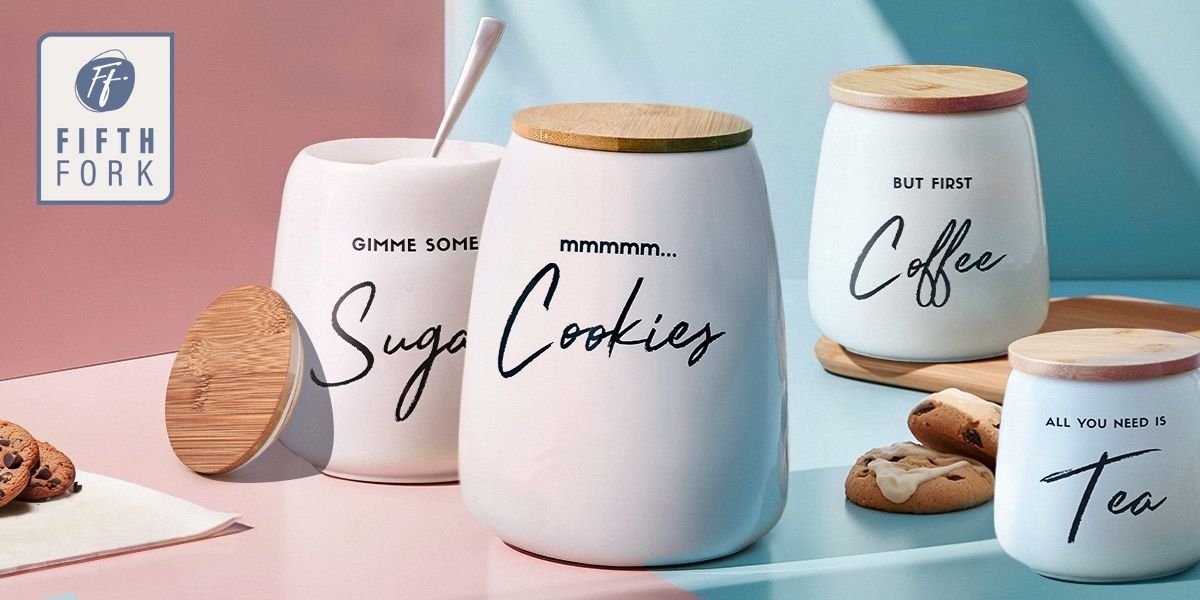
Fifth Fork is a brand that extends beyond traditional kitchenware, grounding its identity in the emotional and cultural significance of the culinary space. Founded by former professional chef Kimberly Lock, Fifth Fork reimagines everyday kitchen tools as lasting pieces, blending durability, ecological responsibility, and generational memory. Drawing inspiration from the rhythms and rituals of family kitchens, Kimberly has shaped Fifth Fork as a design-focused brand rooted in both purpose and place.

Her earliest culinary education did not occur in a classroom or high-end restaurant but in her grandmother’s Tennessee kitchen. That environment, rich with generational knowledge, storytelling, and hands-on experience, served as a foundational setting that continues to influence the design and ethos of Fifth Fork. “I didn’t just learn how to cook,” she recalls. “I learned how to listen, to care, and to create something meaningful with my hands.”

This reverence for memory and method now finds expression in the objects Fifth Fork brings to market. The company’s ceramic canister sets and cookie jars, among other offerings, not only meet practical needs but also serve as anchors for daily rituals. By focusing on tactile quality and timeless silhouettes, the brand encourages its customers to integrate these objects into their routines, not simply as tools, but as quiet participants in shared moments.

Fifth Fork’s products reflect a design philosophy that values restraint over novelty. Each piece is thoughtfully considered for form and function, with particular attention to texture, weight, and finish. The result is a catalog that avoids the fleeting and disposable in favor of pieces designed with lasting appeal. Kimberly’s belief in kitchenware as inheritance—an idea shaped by her own use of heirloom cast iron skillets—guides every stage of the design and production process.

Kimberly Lock’s Fifth Fork Blends Culinary Heritage With Sustainable Design

Photo Courtesy: Kimberly Lock / Fifth Fork

Environmental sustainability also influences Fifth Fork’s approach. The company prioritizes responsibly sourced materials and practices that minimize waste, reflecting the enduring mindset of past generations who valued quality over quantity. In this way, sustainability is seen not as a passing trend but as a return to foundational practices of care and conservation.

What distinguishes Fifth Fork is not solely the aesthetics or ecological profile of its products, but the narrative sensibility behind them. Each item represents a tangible connection between past and present, function and feeling. “Our goal,” she explains, “is to create products that integrate seamlessly into life’s most meaningful experiences—whether it’s breakfast with your kids or preparing a meal during the holidays.”

Kimberly Lock’s Fifth Fork Blends Culinary Heritage With Sustainable Design

Photo Courtesy: Kimberly Lock / Fifth Fork

The brand’s commitment to long-term value over immediate impact sets it apart from mass-market kitchenware. While many brands focus on speed and volume, Fifth Fork emphasizes reflection and relevance. This approach has resonated with consumers seeking authenticity and substance in the objects they bring into their homes. As families increasingly look for ways to create grounding routines in an ever-changing world, Fifth Fork has cultivated a loyal and growing audience.

In the coming year, the brand plans to expand its product line, guided by the same core principles. While specific designs have yet to be revealed, the direction remains consistent: to build on the brand’s values by offering objects that provide comfort, functionality, and beauty to everyday life. Each new product is seen as an opportunity to deepen the relationship between home and user, artifact and ritual.

Kimberly Lock’s vision for Fifth Fork is rooted in an understanding that design is not merely a visual discipline but an emotional and cultural one. Through careful craftsmanship and a focus on enduring value, Fifth Fork invites customers to reconsider the role of kitchenware—not as disposable items, but as enduring companions in the lifelong act of nourishing both body and soul.

To Learn More, Visit Fifth Fork, Follow On Instagram, TikTok, Or Explore Their Collection On Amazon.

Join Dr. Kiki’s Thrive 25 This July: Where Women Can Learn to Convert Big Ideas into Success

For much of her career, Dr. Kiki Ramsey has observed talented women delay ambition until circumstances feel “just right.” As a positive psychologist and executive coach, she knows that clarity rarely appears on its own—it emerges when people gather, exchange practical ideas, and see role models who have faced similar doubts.

Thrive 25 is her response: a conference shaped by decades of coaching women through major life pivots, salary negotiations, and leadership transitions. Dr. Kiki’s goal is to build a setting where participants can pause the daily rush, identify the goals that matter most, and leave with next steps that feel achievable and energizing.

What Thrive 25 Is All About

Held over two transformational days at the Marriott Northeast Emory Area, Thrive 25 is where purpose meets strategy—and women can explore ways to elevate their lives, careers, and businesses.

Each day is intentionally designed for growth. Saturday mornings kick off with thoughtful sessions on discovering and aligning with your purpose, helping you get clear on what matters most and how to build a career or business around it. Afternoons dive into strategy—with expert-led sessions on career elevation, launching or growing your business, and increasing your income without burnout. You’ll learn practical techniques for negotiating higher pay, building wealth, and creating a clear career roadmap.

Evenings are all about wellness and joy. From a fitness-focused panel and energizing Dance Jams on Saturday night to a soulful praise and worship brunch on Sunday, Thrive 25 blends deep growth with meaningful connection and reflection.

Throughout the weekend, you’ll engage in interactive coaching, live panels, and peer conversation—so you won’t just be inspired, you’ll leave with a personalized action plan to move forward in your purpose, career, and life.

Is Thrive 25 for You? (It Probably Is!)

Early-career attendees come seeking clarity and direction, which is exactly what they’ll likely find in sessions like “How to Tap Into Your Purpose.” Mid-career women looking to rise to the next level or launch something bold will gain practical strategies during “How to Elevate Your Career and Business” and “Boost Your Earning Potential.” Those further along in their journey—seasoned executives, entrepreneurs, and trailblazers—will discover new fuel for their purpose and a chance to pour into others through leadership, mentorship, and legacy work. Panels like “Women Who’ve Done It” and “Empowered Goal Setting” offer inspiration and actionable tools from women who’ve navigated similar paths.

Moreover, this event proves that geography and industry background matter less than a willingness to engage. From past conferences that Dr. Kiki hosted, the feedback highlighted that women from healthcare, technology, education, and the nonprofit sector each found relevant insights. If you feel underchallenged, overextended, or uncertain about the next move, Thrive 25 offers a structured space to explore ideas in real time and receive feedback from peers and coaches who understand the pressures you face, as they’ve walked similar roads before.

Get to Know the Amazing Speakers

The speaker lineup brings together professionals who combine expertise with approachable storytelling.
Dr. Gail Crowder, a certified master intimacy expert and relationship coach, will share insights on how cultivating confidence and connection in your personal life can positively impact your professional presence, reminding us that thriving begins at home.

Tawawn Lowe will help attendees map out bold, purpose-driven goals and offer real talk on what it takes to rise through the ranks in your career and build a thriving business—even when doubt creeps in.

April Christina Farmer will deliver a compelling inspirational message during Sunday’s Brunch session, guiding women who lean on faith as they pursue big dreams with intention, authenticity, and spiritual alignment.

Wellness takes center stage Saturday night with a high-impact panel featuring fitness and lifestyle experts like Ron Sutton and DeMarco Wiiliam who will explore how movement, mindset, and self-care practices can fuel success. This session is all about showing up as your strongest self—physically, mentally, and emotionally.

Each speaker will remain on-site throughout the weekend so attendees can continue meaningful conversations beyond the stage.

Pick Your Pass: VIP, General Admission & How to Join the Fun

Two registration tiers make attendance flexible. General Admission—covers July 12–13 programming, evening activities, and Sunday’s brunch. It suits professionals who want full access to training and the community atmosphere while staying mindful of their budget.
VIP Admission starts a day earlier with the Girlfriends Glow Up Reception on July 11. VIPs receive priority seating, exclusive gifts, a private coaching lunch with Dr. Kiki, and extended networking time with speakers. Attendees who prefer smaller groups or wish to dive deeper into personal strategy often select this option.
Tickets are available now on the Thrive 25 registration site. The Marriott offers a discounted room block beginning at $149 per night, and early booking is recommended to secure both lodging and preferred pass levels.

Your Moment to Turn Purpose into Action

If you’re a woman mapping your first promotion, scaling a passion project, or seeking renewed balance, Thrive 25 provides a structured yet welcoming setting to step forward. Dr. Kiki and her team have distilled years of coaching insight into a weekend that pairs clear instruction with the collective momentum of like-minded women.

Mark July 12–13 on your calendar (and July 11 for the VIP track, reserve your seat, and prepare to translate purpose into tangible action. The possibilities expand when you decide to claim them, and this is your chance to do just that.


Disclaimer: The content in this article provides an overview of the Thrive 25 event and its offerings. While past attendees have reported positive experiences, individual outcomes may vary. The event is designed to provide coaching, networking, and personal growth opportunities; however, specific results are not guaranteed. Attendees are encouraged to assess their personal goals and consult with relevant professionals when considering any career, business, or wellness decisions. The information provided is for informational purposes only and does not constitute professional advice.

The Evolving Timeline: Understanding Delayed Motherhood

In contemporary society, the decision to become a parent is increasingly shifting to later stages of life. What was once a common trajectory for many individuals, beginning family life in their twenties, has now broadened significantly. More and more people are choosing to delay having children until their thirties, forties, or even beyond. This evolving timeline is influenced by a complex interplay of personal aspirations, societal changes, and advancements in medical science. Understanding this shift means looking at the various reasons behind it and the nuanced advantages and considerations that come with pursuing motherhood at an older age.

Read Also: Invisible Motherhood, Unshakable Purpose: How Brittney Davis Is Giving Women a Place to Be Seen

What factors contribute to the trend of delayed motherhood?

Several interconnected factors contribute to the growing trend of delayed motherhood. One significant influence is the increasing pursuit of higher education and career development for individuals. Many choose to invest their earlier adult years in building a professional foundation, which often involves extensive schooling, gaining work experience, and establishing financial stability. This dedication to personal and professional growth frequently means postponing major life milestones like starting a family. Alongside this, societal norms have also shifted.

There is often less pressure to marry and have children at a young age, allowing individuals more freedom to define their own timelines. Finding a suitable partner, establishing a stable relationship, and securing adequate housing can also take more time, naturally pushing back the age at which family planning becomes a priority. Economic considerations play a notable role as well. The costs associated with raising children, from daily expenses to educational opportunities, can be substantial. Many individuals feel more prepared and less stressed when they have built a solid financial base before embarking on parenthood.

What are the potential benefits of delayed motherhood?

While there are often discussions about the considerations, delayed motherhood can come with several notable advantages. Individuals who become parents later in life often bring a greater level of emotional maturity, life experience, and self-awareness to their parenting role. They have typically had more time to understand themselves, develop coping mechanisms for stress, and strengthen their personal relationships. This often translates into a more thoughtful and patient approach to raising children. Financially, later parenthood can mean a more established career, reduced debt, and greater savings, which can alleviate some of the financial pressures associated with raising a family.

This increased financial security might also offer more flexibility in work arrangements, such as the ability to negotiate part-time hours or remote work, allowing for greater involvement in daily childcare. Children of older parents often benefit from this stability, as their parents may have more resources, be more focused on personal development, and be more actively involved in their education. Many individuals who experience delayed motherhood report feeling more ready and less overwhelmed by the demands of parenthood, which can contribute to a more enjoyable and fulfilling experience.

What are the health considerations associated with delayed motherhood?

Despite the social and personal advantages, it is important to acknowledge the health considerations that can arise with delayed motherhood. As individuals age, natural fertility declines. For many, conceiving naturally becomes more challenging after the age of 35, and the likelihood of needing assisted reproductive technologies may increase. Beyond conception, the risks of certain pregnancy complications can also rise with age. These might include a higher likelihood of gestational diabetes, high blood pressure (preeclampsia), and an increased chance of needing a cesarean delivery. The potential for miscarriage also sees a gradual increase.

For the baby, there is a slightly elevated risk of certain chromosomal conditions, such as Down syndrome, and a higher chance of premature birth or low birth weight. However, it is important to understand that while these risks increase, most individuals who experience delayed motherhood still have healthy pregnancies and healthy children. Close medical monitoring, comprehensive prenatal care, and open communication with healthcare providers are vital to managing these considerations effectively. Individuals are often advised to have a pre-conception consultation to discuss their specific situation and understand any increased risks.

How do medical advancements support reproductive choices later in life?

Modern medical advancements have significantly expanded the options for individuals pursuing delayed motherhood. Assisted reproductive technologies, such as in vitro fertilization (IVF), egg freezing, and donor eggs, have provided pathways to parenthood that were not available to previous generations. Egg freezing, for instance, allows individuals to preserve their fertility at a younger age, offering greater flexibility in their family planning timeline. These technologies can help overcome some of the biological challenges associated with declining fertility as one ages.

Beyond conception, advances in prenatal diagnostics allow for earlier and more accurate screening for potential complications or genetic conditions, offering individuals important information and choices during pregnancy. Furthermore, the overall improvement in women’s health and medical care means that individuals are generally healthier for longer, enabling them to navigate the demands of later pregnancy and childbirth more successfully. These technological strides have played a crucial role in enabling more individuals to make choices about their reproductive health that align with their personal and professional timelines.

Why is careful planning essential when considering delayed motherhood?

For those considering delayed motherhood, careful planning and open communication with healthcare professionals are paramount. Understanding individual fertility windows, potential health considerations, and available medical interventions can help individuals make informed decisions about their reproductive health. A proactive approach to wellness, including maintaining a healthy lifestyle, managing stress, and seeking regular medical checkups, can help optimize health outcomes regardless of age.

Read Also: Empowering Expectant Mothers Through Safe Prenatal Fitness

While the timeline for starting a family has certainly evolved, the core principles of preparation, support, and informed choice remain vital. The increasing trend of delayed motherhood reflects broader societal shifts that empower individuals to shape their lives and families in ways that best suit their unique circumstances and aspirations. It is a testament to changing priorities and the power of personal choice in the modern world.

Decoding Fitness: The Essential Guide to Product Label Literacy

In today’s world of fitness and health, the market is flooded with an overwhelming variety of products claiming to support various fitness goals. Whether it’s supplements, protein powders, energy drinks, or other fitness-related products, understanding what’s in your fitness products is crucial to achieving your health goals and avoiding unwanted ingredients. Product label literacy is essential for anyone who’s serious about their fitness and nutrition journey. Knowing how to read and interpret these labels can empower you to make informed decisions about what you put into your body. This guide aims to help you decode the complex world of fitness product labels, making it easier to distinguish between marketing jargon and actual benefits.

Read Also: Eating Right for Fitness: Simple Tips for Women

Why Is Product Label Literacy Important?

The rise of the wellness and fitness industries has led to an influx of products designed to enhance performance, aid recovery, and improve general health. However, with so many options available, it’s easy to get lost in the sea of competing claims and buzzwords. For instance, terms like “clean,” “natural,” and “organic” are often used to make products seem more appealing, but they don’t always reflect the true contents or benefits of the product.

Understanding product labels not only helps you avoid products that may not meet your nutritional needs but also ensures that you optimize your results by selecting products that truly benefit your fitness goals. Product label literacy can also help you avoid hidden sugars, unnecessary additives, and potentially harmful ingredients, ensuring you are consuming what’s best for your body.

Breaking Down Fitness Product Labels: Key Components

Reading a fitness product label isn’t just about looking at the brand name and the front of the packaging. The real value is found in the detailed information provided on the back or side of the label. Here are the key components to focus on when analyzing fitness product labels:

Serving Size and Servings per Container

The serving size is one of the most important pieces of information on the label. It tells you the amount of the product that is considered one serving, which is crucial for calculating your total intake. Be cautious here: many products, especially energy drinks and supplements, may have multiple servings in one package, which can lead to a higher intake than intended.

  • Serving Size: Make sure to check the serving size to understand the actual quantity you’re consuming.

  • Servings per Container: This shows how many servings are in the entire package. If a product has a small serving size but contains many servings, you’ll need to adjust your intake accordingly.

Calories and Macronutrients (Carbs, Fats, Protein)

For fitness enthusiasts, understanding the macronutrient breakdown of a product is crucial for achieving fitness goals such as weight loss, muscle gain, or endurance training.

  • Calories: Know how many calories are in a serving. For those looking to lose weight or maintain weight, understanding calorie intake is essential. For those looking to gain muscle, it’s just as important to monitor caloric intake to ensure sufficient energy for muscle repair and growth.

  • Protein: Protein is essential for muscle recovery and growth. A good fitness product label should provide the amount of protein per serving.

  • Carbohydrates: Carbs are a primary energy source for the body, especially during high-intensity workouts. Pay attention to the type of carbohydrates (simple vs. complex) to understand how they will affect your energy levels.

  • Fats: Healthy fats are also essential for overall health, but excess saturated or trans fats should be avoided in fitness products.

Micronutrients (Vitamins and Minerals)

In addition to macronutrients, fitness products often contain added vitamins and minerals to support overall health and specific body functions. For example:

  • Vitamin D is crucial for bone health and muscle function.

  • B vitamins are important for energy production.

  • Magnesium is involved in muscle function and recovery.

When selecting a product, check if it provides a significant amount of these micronutrients to support your fitness needs.

Ingredient List

The ingredient list provides insight into what’s actually in the product. It’s essential to read this section carefully to ensure the product contains quality ingredients and doesn’t have unnecessary additives or fillers.

  • Natural vs. Artificial: Look for natural sources of nutrients, especially in protein powders, energy bars, or meal replacement drinks. Avoid products with a lot of artificial additives, such as artificial sweeteners, colors, or preservatives.

  • Supplements: Some fitness products, like protein powders or pre-workout supplements, may contain added ingredients like creatine, caffeine, or beta-alanine. Make sure these ingredients align with your personal health needs and goals.

  • Allergens: If you have allergies, always check for common allergens such as gluten, soy, or dairy in the ingredient list.

Additives and Sweeteners

Many fitness products, especially drinks and protein powders, use sweeteners to enhance flavor. These can be either natural or artificial:

  • Natural sweeteners like stevia and monk fruit are often better choices as they don’t raise blood sugar levels.

  • Artificial sweeteners like aspartame or sucralose may be found in many sugar-free products. While these are generally safe for most people, they can cause digestive discomfort in some individuals.

Look for labels that list natural flavoring and limit the use of preservatives or artificial additives.

Certifications and Claims

Many fitness products come with labels or certifications that tell you something about the product’s quality or ethical standards:

  • Organic: This means the product was produced without synthetic pesticides or fertilizers.

  • Non-GMO: Indicates that the product does not contain ingredients derived from genetically modified organisms.

  • Gluten-Free: A must for individuals with celiac disease or gluten sensitivity.

  • Keto-Friendly: Indicates that the product fits within the ketogenic diet guidelines, which are low in carbohydrates and high in fats.

Be cautious of over-hyped claims like “fat-burning” or “muscle-building.” Often, these claims are based on marketing strategies and may not be supported by evidence.

Decoding Fitness Jargon: What to Look Out For

Fitness product labels often include terminology that can be confusing or misleading. Here are some common terms to watch for:

  • “All Natural”: This label doesn’t guarantee that the product is healthy or free of additives. Always check the ingredient list to verify what’s inside.

  • “Proprietary Blend”: This refers to a mixture of ingredients that the company doesn’t disclose in specific amounts. It can be difficult to know exactly what you’re consuming with a proprietary blend.

  • “Clean”: Often used to describe a product that has minimal artificial ingredients or processing, but it’s important to still review the ingredient list for a clearer picture.

How to Make Informed Choices

Now that you know what to look for, here are some tips for making informed decisions:

  • Research: Don’t just rely on the label. Look up reviews and check for independent lab testing of products, especially for supplements.

  • Track Your Intake: Use a food tracker app to monitor your daily intake of macronutrients and micronutrients. This will help you choose products that fill gaps in your diet.

  • Consult a Professional: If you’re unsure about a product or its ingredients, consider consulting a nutritionist or dietitian, especially if you have specific fitness goals or dietary restrictions.

Read Also: ‘Undo What Isn’t Yours’: Monica Yates is Helping Redefine Feminine Power for the Modern Woman

Becoming literate in reading fitness product labels is an essential step towards achieving your fitness and wellness goals. It allows you to make informed choices, avoid unnecessary or harmful ingredients, and select products that will genuinely support your needs. By understanding the key components of a product label, you can optimize your fitness regimen and ensure that you’re fueling your body with the best possible nutrition to reach your desired results.