Women's Journal

Launching Optimal Weight Loss Institute Founded by Ms. Bertha Osorio-Campbell

By: Nic Abelian

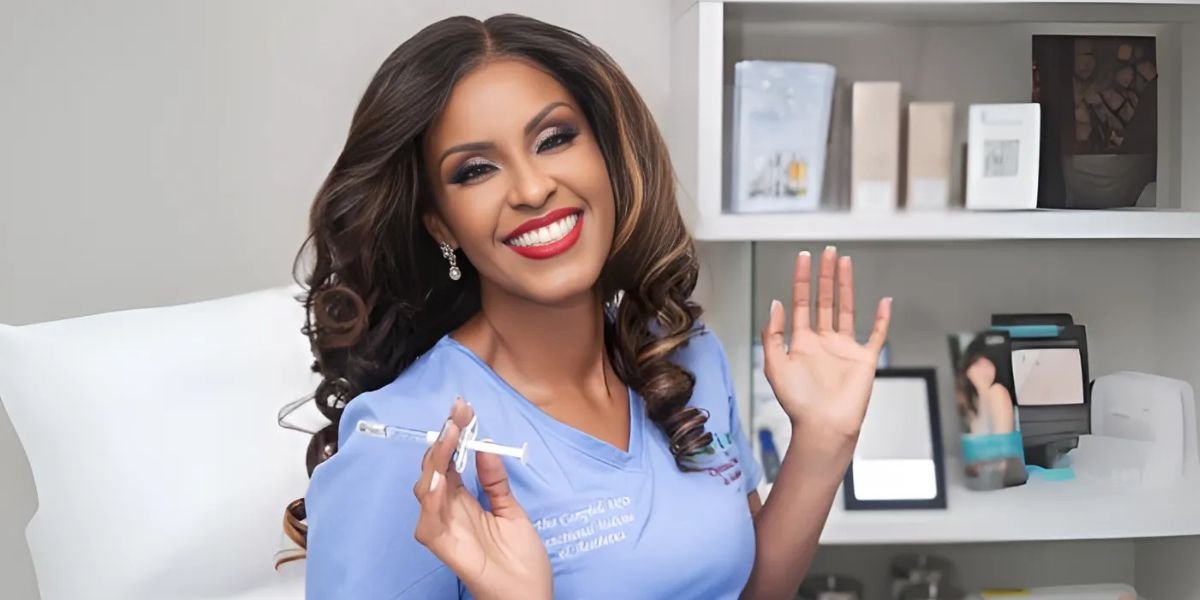
Ms. Bertha Osorio-Campbell, APRN, FNP-BC, has rebranded her medical practice as the Optimal Weight Loss Institute in June 2024, marking a strategic shift toward a more concierge-focused and hybrid model of care. The practice, which has been active for several years, offers telehealth and in-person services specializing in weight loss, hormone optimization, and aesthetics. Drawing from over 15 years of experience in critical care and integrative medicine alongside her personal health journey, Ms. Osorio-Campbell aims to develop a healthcare model that combines clinical rigor with individualized empathy.

The Optimal Weight Loss Institute reflects the founder’s lived experience and ongoing evolution of her practice. Ms. Osorio-Campbell, a board-certified Family Nurse Practitioner originally born in Nicaragua and fluent in Spanish, immigrated to the United States as a child. Her cultural background informs her approach and enables her to serve a diverse patient population effectively. Previously managing severe obesity and related health challenges, she has integrated her personal transformation into a professional philosophy centered on holistic and empathetic care. “This work is personal. I don’t just prescribe—I walk with people through their healing,” she said.

The practice offers a blend of functional and conventional medicine, delivering holistic, evidence-based, and personalized treatment plans. Clients undergo comprehensive lab assessments, receive nutritional support and coaching, and have access to medically supervised therapies such as semaglutide and tirzepatide. The hybrid model facilitates continuous, personalized care through virtual and in-person visits in Fort Lauderdale, serving patients across the United States, Caribbean, and Europe. This approach addresses a common gap in modern healthcare: the lack of sustained patient-provider relationships.

Ms. Osorio-Campbell’s background as a solo mother by choice, a first-generation college graduate, and the first in her family to obtain a master’s degree and operate a medical practice shapes her resilient and culturally sensitive clinical practice. Her experiences as a trauma survivor and former ICU nurse contribute to her credibility and ability to connect deeply with patients. “I know what it’s like to feel defeated by your body, to feel overlooked in a system that doesn’t listen. That’s why I built a practice that sees the whole person,” she explained.

The Optimal Weight Loss Institute focuses on chronic weight management, hormonal imbalances, menopause, testosterone decline, and stress-related conditions. Ms. Osorio-Campbell emphasizes addressing underlying dysfunctions—biological, emotional, and spiritual—rather than focusing solely on metrics such as BMI. “Weight loss involves more than physical factors. It can also be emotional, hormonal, and spiritual. When these areas are considered together, clients may experience meaningful changes,” she stated.

Ms. Osorio-Campbell’s work has been featured in media outlets including the Miami New Times, Voyage Miami, Canvas Rebel, and the Miami Herald, which named her one of the notable Women of 2020. She actively participates in health education panels and nonprofit collaborations to advance equitable healthcare access. The practice’s telehealth capabilities, combined with in-person care, aim to reach underserved communities while maintaining clinical quality.

Launching Optimal Weight Loss Institute Founded by Ms. Bertha Osorio-Campbell

Photo Courtesy: Bertha Osorio-Campbell

The rebranded Optimal Weight Loss Institute represents an evolving healthcare model integrating faith, functional medicine, and compassionate care. Ms. Osorio-Campbell’s dedication to treating the whole person—beyond physical symptoms—has informed her personal recovery and continues to influence the healing of her clients. “Optimal health often begins with being heard, seen, and cared for—and that’s what we strive to offer here,” she remarked.

Grounded in scientific rigor and empathy, the practice’s commitment to personalized whole-person care positions it as part of the evolving generation of weight loss and hormone optimization clinics. Ms. Osorio-Campbell’s expertise in critical care, functional medicine, and leadership helps ensure her approach addresses physical, emotional, and spiritual dimensions of healing. “Healing is not just about what is lost—but also about what may be found through care, connection, and purpose,” she concluded.

Learn more by visiting the website or follow on Instagram, Facebook, LinkedIn, YouTube, and Linktree.

Disclaimer: This article is intended for informational purposes only and does not constitute medical, legal, or professional advice. The services and treatments described are subject to individual consultation and may vary based on personal health conditions. Readers should consult with qualified healthcare providers before making decisions related to medical care, weight loss, or hormone therapy. No guarantees or warranties are made regarding the effectiveness of any treatments or services mentioned.


Published by Jeremy S.

How Holistic Care Supports Women’s Hair Growth Naturally

How can a holistic approach enhance a person’s hair health?

A person’s hair often mirrors their overall well-being, influenced by factors from daily nutrition to lifestyle choices. Holistic approaches focus on addressing the entire individual, rather than just isolated symptoms. This perspective recognizes that concerns like hairfall and slow growth can stem as much from internal imbalances as from external damage. Embracing this viewpoint encourages the development of natural, sustainable habits that support vibrant hair growth over an extended period.

Read Also: The Dialogue Around Gray Hair and Aging Gracefully

Understanding the scalp as a living system is fundamental to this approach. A healthy scalp environment promotes strong hair follicles and resilient strands. Many who advocate for holistic practices emphasize gentle cleansing routines that avoid harsh chemicals, opting instead to support the scalp’s natural oils. Rather than using aggressive shampoos and treatments, they suggest incorporating ingredients like aloe vera, tea tree oil, and witch hazel. These natural elements can help soothe irritation and reduce inflammation, contributing to a more balanced scalp.

Why does nutrition play an important role in preventing hairfall?

Hair follicles require a consistent supply of nutrients to grow and maintain their strength. Diets that lack essential vitamins and minerals can lead to a weakened hair structure and increased shedding. Holistic hair care highlights the importance of consuming a balanced diet rich in specific nutrients such as biotin, iron, zinc, and vitamin D, among others.

For instance, biotin, a B-vitamin, is vital for the production of keratin, the protein that forms hair strands. Iron is essential for delivering oxygen to hair follicles, and a lack of it is often connected to hair thinning. Zinc contributes to the growth and repair of hair tissue, while vitamin D plays a role in the natural hair growth cycle.

Beyond simply taking supplements, consuming a variety of whole foods, including leafy greens, nuts, seeds, and certain fatty fish, nurtures hair from within. Staying hydrated is equally important, as dehydration can make hair brittle and more prone to breakage. Experts suggest drinking an adequate amount of water daily to maintain scalp moisture and elasticity, supporting overall women’s hair health.

How might stress influence hairfall, and what holistic techniques can help?

Stress is a significant factor contributing to hairfall. It can often trigger a condition where hair prematurely enters its shedding phase. Hormonal fluctuations that result from ongoing stress can disrupt the normal hair growth cycle, sometimes leading to thinning or areas of reduced hair density.

Holistic approaches to women’s hair health include various stress management techniques. Practices such as mindfulness meditation, yoga, and controlled breathing exercises can help regulate the body’s response to stress and support hormonal balance. Regular physical activity not only improves circulation to the scalp but also helps reduce levels of cortisol, a hormone often linked to stress.

Achieving quality sleep is crucial. During the deeper phases of sleep, the body actively repairs and regenerates cells, including those within hair follicles. Poor sleep patterns can worsen hairfall, so establishing a calming routine before bedtime can be very beneficial for promoting better rest.

What natural hair care practices can promote growth and strength?

Minimizing exposure to harsh chemicals and excessive heat styling is fundamental to maintaining the integrity of hair. Holistic hair care encourages the use of natural oils such as coconut oil, argan oil, and jojoba oil to moisturize and protect hair shafts. These oils can penetrate the hair cuticle, helping to prevent dryness and breakage, which contributes to better women’s hair health.

Gentle scalp massages can stimulate blood flow, enhancing the delivery of essential nutrients to hair follicles. Using fingertips or soft brushes during these massages can improve overall scalp health while also helping to alleviate tension. Incorporating herbal rinses made with extracts from plants like rosemary, nettle, or hibiscus can further strengthen hair and add a natural shine.

Avoiding hairstyles that pull tightly on the scalp is also often advised. This practice helps prevent traction alopecia, a type of hair loss caused by mechanical stress. Choosing looser styles reduces strain on follicles and encourages healthier hair growth patterns over time.

How do hormonal changes affect a person’s hair health?

Hormonal fluctuations that occur during life stages like menstruation, pregnancy, and menopause can profoundly influence hair. For instance, during pregnancy, elevated estrogen levels often lead to thicker-feeling hair, while the hormonal shifts experienced after childbirth might cause noticeable shedding. Menopause can bring about a decrease in estrogen and progesterone, potentially resulting in thinner hair and slower hair growth.

Holistic strategies often involve supporting the body’s endocrine system through balanced nutrition, consistent physical activity, and careful management of exposure to environmental factors that might affect hormones. Some individuals find benefit from plant-based supplements, which may help support natural hormone balance.

Consulting with healthcare providers is essential to rule out any underlying medical conditions, such as thyroid imbalances or polycystic ovary syndrome (PCOS), which can contribute to hair problems. Integrating professional medical advice with holistic hair care practices provides a comprehensive path to overall hair wellness.

Why is consistency so important in holistic hair care?

Unlike quick fixes, a holistic approach to women’s hair health requires patience and a steady commitment. Hair typically grows at a rate of approximately half an inch per month, meaning that noticeable improvements often take several months to become apparent. Maintaining a consistent routine that includes nourishing dietary choices, effective stress management, and gentle hair care allows the scalp and follicles to recover and thrive.

Read Also: The Art and Science of Hair Extensions: Elevating Style and Confidence

Tracking progress, perhaps with photos or a journal, can help motivate adherence and identify what practices work best for an individual. Adjusting routines as seasons change or as life circumstances evolve ensures that hair care remains aligned with the body’s ongoing needs.

Achieving holistic women’s hair health is about cultivating overall balance. It means supporting the body, mind, and environment in harmony. This comprehensive approach not only helps prevent hairfall but also fosters vibrant, resilient hair that reflects a person’s vitality.

Thriving Through Menopause: Fitness Tips for Health

How Can Fitness Empower Women During Menopause?

Menopause represents a significant turning point in a woman’s life, bringing a variety of physical and emotional changes. These changes often challenge wellbeing, but fitness can be a powerful tool for empowerment during this time. Staying active helps manage common symptoms such as weight gain, hot flashes, mood swings, and bone density loss. By incorporating movement into daily life, women can support hormone balance, improve sleep quality, and boost overall energy levels.

Fitness during menopause is not about extreme workouts but about personalized strategies tailored to individual needs and capabilities. Women who approach exercise as a form of self-care often find renewed confidence and vitality. This phase offers an opportunity to cultivate strength, resilience, and wellbeing that lasts well beyond menopause.

Read Also: Understanding Menopause: A Guide to Women’s Health by Dr. Ken Taylor

What Types of Exercise Are Most Beneficial During Menopause?

Certain types of exercise have shown particular effectiveness for women navigating menopause. Strength training ranks high among them. As estrogen declines, muscle mass naturally decreases, which can slow metabolism and increase fat accumulation. Lifting weights, resistance bands, or bodyweight exercises help preserve and build muscle, improving metabolism and promoting lean body mass. Moreover, strength training supports bone density, reducing the risk of osteoporosis—a major concern for postmenopausal women.

Cardiovascular exercise also plays a crucial role. Activities like brisk walking, swimming, cycling, or dancing enhance heart health, manage weight, and elevate mood. Cardiovascular workouts stimulate the release of endorphins—natural mood boosters that help counteract the anxiety and irritability many women experience during menopause. Experts recommend moderate-intensity cardio at least three times per week to support cardiovascular function.

Beyond these, flexibility and balance exercises such as yoga, Pilates, and tai chi contribute significantly to menopausal fitness. They maintain joint mobility, prevent stiffness, and reduce the risk of falls. These activities foster mindfulness and relaxation, which can ease stress and improve sleep—two areas commonly affected by hormonal changes. Combining these exercise types into a balanced weekly routine can address the multifaceted challenges of menopause, enhancing both physical and mental health.

How Does Nutrition Support Fitness Goals During Menopause?

Fitness efforts reach their full potential when paired with a supportive nutrition plan. Menopause influences metabolism and nutrient absorption, making diet an essential component of maintaining health and vitality. Consuming adequate protein is vital for muscle repair and growth, especially in combination with strength training. Good sources include lean meats, fish, legumes, dairy, and plant-based proteins like tofu. Maintaining bone health requires sufficient intake of calcium and vitamin D. Women should include dairy products, leafy greens, fortified plant milks, and fish such as salmon in their diets. Vitamin D levels can also be maintained through sensible sun exposure or supplementation if necessary.

Incorporating foods rich in omega-3 fatty acids, such as flaxseeds, walnuts, and fatty fish, helps reduce inflammation and supports heart health, which becomes increasingly important as estrogen declines. Minimizing processed foods, excess sugar, and alcohol supports weight management and stabilizes energy levels. Hydration is often overlooked but remains critical; hormonal shifts can affect fluid retention and thirst signals. Drinking plenty of water throughout the day supports metabolic functions and cognitive clarity.

A nutrient-dense diet, aligned with fitness goals, empowers women to face menopausal challenges with strength and endurance.

What Role Does Mental Well-being Play in Menopausal Fitness?

Mental health is deeply intertwined with physical wellbeing during menopause. Many women face psychological hurdles such as anxiety, mood swings, and sleep disturbances. Exercise acts as a natural mood regulator by stimulating neurotransmitters like serotonin and dopamine, which promote happiness and calm.

Mind-body exercises, including yoga, meditation, and tai chi, offer dual benefits. They enhance mental resilience, reduce stress levels, and foster body awareness. Regular practice can improve emotional regulation, helping women manage the psychological ups and downs of menopause. Social connection also supports mental health. Participating in group fitness classes or engaging in online communities dedicated to menopausal wellness encourages a sense of belonging and mutual encouragement. Sharing experiences and progress cultivates motivation and diminishes feelings of isolation.

Prioritizing rest and sleep hygiene complements these practices. Quality sleep restores cognitive function and mood balance, further enhancing the benefits of physical activity.

How Can Women Overcome Barriers to Fitness During Menopause?

Despite knowing the benefits, many women encounter obstacles to maintaining regular exercise routines during menopause. Physical discomfort, such as joint pain or fatigue, can make activity seem daunting. Time constraints due to work or family responsibilities also pose challenges. Addressing these barriers starts with realistic goal-setting. Short, manageable workouts may be more sustainable than long sessions. Choosing enjoyable activities increases adherence and satisfaction. For example, dancing or swimming may feel less like exercise and more like recreation. Professional guidance can provide tailored solutions. Trainers or physical therapists familiar with menopausal health can recommend modifications to accommodate pain or limited mobility.

Incorporating movement into daily life through walking meetings, stretching breaks, or active hobbies helps maintain consistency without overwhelming schedules. Tracking progress, whether through journals or apps, encourages persistence and celebrates achievements. Cultivating patience and self-compassion is essential. Fitness is a lifelong journey, and embracing progress over perfection fosters long-term wellbeing.

Read Also: Sharon Polsky Leads in the Use of GLP-1 for Clinical Weight Management and Menopause Coaching

What Does a Sustainable Fitness Lifestyle Look Like Beyond Menopause?

Sustainability is key to thriving through menopause and beyond. A balanced fitness lifestyle blends activity, nutrition, rest, and mental wellbeing. It respects the body’s changing needs and emphasizes listening to internal cues rather than rigid routines. A sustainable approach prioritizes consistency over intensity. Moderate workouts performed regularly contribute more to health than sporadic bursts of extreme effort. Rest and recovery are as important as movement, especially during hormonal fluctuations.

Long-term planning includes regular health check-ins to adapt fitness strategies as medical needs evolve. For example, screening for osteoporosis or cardiovascular risk can inform exercise choices and nutritional adjustments. Community remains an integral part of sustainability. Continuing to connect with supportive groups or classes nurtures motivation and accountability. Ultimately, viewing fitness as a form of self-care and empowerment transforms it from a task into a joyful lifestyle. This mindset supports vitality, independence, and confidence throughout later life stages.