Women's Journal

From Traumatic Divorce to Presidential Award: How Rev. Marie Berbick Coaches Women to Triumph over Trauma

By: Jay Feldman

In a landscape where one-third of women face life-altering challenges, stories of genuine transformation can feel scarce. Rev. Marie Berbick stands as that rare lighthouse for women navigating stormy personal and professional waters. Her journey—from corporate Jamaica to acclaimed pastor, transformational  speaker and life coach in America—showcases the raw power of resilience. Recently named a recipient of the 2025 U.S. President’s Lifetime Achievement Award, Berbick’s recognition cements her status as a champion for women’s empowerment worldwide.

Marie’s story isn’t one of overnight success but of hard-won transformation. Raised in Jamaica, she cut her teeth in public relations, mastering communication skills that would later become her superpower. But life had other plans. A devastating divorce and brutal custody battle left her shattered, questioning everything. Yet in this darkness, she found her calling.

“That breaking point wasn’t my ending—it was my beginning,” Marie often tells her clients. The emotional wreckage of her marriage became the foundation upon which she built her mission to guide others through similar storms.

What makes her approach unique is her perspective on pain: “Beautiful things can come from messy places,” she reflects. “The women I work with are like lotus flowers. They may wade through mud, but they grow through it to bloom magnificently.”

Her coaching philosophy centers on unlocking hidden potential. Rather than imposing cookie-cutter solutions, Marie helps women excavate their own buried treasures. “I don’t give women answers,” she explains, leaning forward with intensity when she speaks. “I help them discover gifts they’ve always had, renew passion they’ve forgotten, and pursue the mission they were born for.”

The impact of her work speaks volumes. Dr. Yana Johnson, a professional transformed by Marie’s guidance, puts it simply: “She unlocks what’s locked up inside you!” Women emerge from Marie’s programs with not just renewed confidence but a completely rewritten narrative about what’s possible for their lives.

In 2020, Marie expanded her reach by founding Marie Berbick Ministries International (MBMI). What started as a modest online platform has blossomed into a community of nearly 100,000 followers across social media channels. As “The People’s Pastor,” she weaves together mentorship, coaching, and spiritual guidance into a tapestry of holistic empowerment. The Presidential Award marks a watershed moment for Marie’s mission. This prestigious honor doesn’t just recognize her personal journey but validates the ripple effect she’s created in countless women’s lives. When discussing the award, Marie remains characteristically humble: “This recognition isn’t about me—it’s about every woman who’s ever felt broken and found the courage to rebuild.”

What truly distinguishes Marie’s approach is her community-building prowess. Where traditional coaching often focuses solely on individual achievement, she cultivates networks of support among her mentees. “No woman is meant to transform in isolation,” she insists. “We rise together or not at all.”

Her impact resonates most powerfully in the stories of transformation. One client, a former corporate executive who had lost her sense of purpose after a career setback, describes her experience: “Marie didn’t just help me recover—she helped me discover a version of myself I never knew existed.”

As Marie prepares to welcome a new cohort of mentees, her vision remains crystal clear. She shares a piece of wisdom that has become something of a mantra among her followers: “For all you’ve been through, when you go down in the valley, don’t come back empty-handed.” This philosophy—that adversity should yield growth—forms the cornerstone of her teaching.

Her coaching style blends spiritual guidance with practical tools, creating a holistic approach that addresses both inner healing and outer success. “Transformation isn’t just about feeling better,” she explains. “It’s about doing better, living better, and ultimately, helping others do the same.”

What makes Marie’s story particularly compelling is that she never positions herself as having “arrived.” Despite her accolades, she speaks openly about her ongoing journey. “I’m still growing, still learning, still overcoming,” she admits. “That’s what makes me effective—I’m walking the path alongside my clients, not lecturing from some distant summit.”

For women considering their own transformation journeys, Marie offers this advice: “Start where you are, with what you have. Your breakthrough isn’t waiting for perfect circumstances—it’s waiting for your decision to begin.”

Marie’s journey from traumatic divorce to Presidential Award winner isn’t just inspiring—it’s instructive. It demonstrates that our deepest wounds often reveal our most powerful gifts. Her story reminds us that transformation isn’t a destination but a continuous process of growth and renewal.

As Marie often tells her clients with a knowing smile: “Your greatest setback is simply the setup for your most magnificent comeback.”

For those seeking their own path to empowerment, Marie’s example offers both hope and a roadmap. To learn more about her coaching programs or ministry, visit www.marieberbickcoach.com or www.marieberbick.com and discover how you might bloom in your own unique way—regardless of the soil in which you find yourself planted.


Published by Jeremy S.

How Sharing Everyday Life Builds Connection and Meaning

Authentic Everyday Experiences

There is something deeply compelling about the ordinary. The simple act of waking up, making coffee, or walking through a familiar neighborhood can reveal moments of unexpected clarity and beauty. In a world filled with curated images and polished highlights, the value of sharing authentic everyday experiences lies in their ability to connect people through honesty, routine, and relatability. These moments—unscripted and often overlooked—form the quiet rhythm of daily life and offer a meaningful window into how we all navigate the world.

Read Also: Sustainable Fashion: Ethical Brands for a Better Future

Why Do Everyday Moments Matter?

The essence of daily life is found in its consistency and unpredictability. While some days may feel repetitive, they are never truly the same. A different conversation, a minor inconvenience, a moment of laughter—these details create the tapestry of human experience. When individuals share these moments, they aren’t just documenting their lives; they are building bridges between people with shared routines, emotions, and values.

By capturing the real and the routine, people give others permission to slow down, reflect, and feel seen. This shared sense of normalcy fosters a quiet kind of solidarity, reminding viewers that their own experiences are valid and worthy of attention.

Capturing the Beauty of Routine

Morning rituals are among the most commonly shared aspects of daily life. Whether it’s making the bed, stretching at sunrise, or sipping tea before the day begins, these simple routines hold significance. They reflect how people ground themselves, prepare for what’s ahead, and create space for calm. Watching someone fold laundry, prep a work lunch, or journal at their kitchen table might not sound extraordinary—but these acts, when captured with care, highlight how rituals shape mental clarity and emotional well-being.

Workdays provide another window into the rhythms of everyday life. Commuting, juggling tasks, and winding down after a long shift—these shared experiences offer viewers a grounded sense of familiarity. Whether working remotely or on-site, showing the ebb and flow of a real workday reveals the pressures and small victories that define professional life.

Small Adventures and Daily Challenges

Authentic content doesn’t mean uneventful. Even the most casual day holds the potential for small adventures. An unplanned visit to a local café, a scenic drive, or a spontaneous decision to take a different walking route all bring texture to daily living. Sharing these experiences allows people to rediscover the charm in their own surroundings and encourages others to explore the unfamiliar corners of their own routines.

Challenges are equally important. Burnout, minor frustrations, and emotional lows are all part of real life. Showing moments of vulnerability—without sensationalism—adds depth to the narrative. It gives a fuller, more honest representation of what it means to move through life with both intention and uncertainty. When someone opens up about a bad day, a difficult conversation, or a lack of motivation, they create space for empathy and mutual understanding.

The Role of Loved Ones and Community

No daily life is complete without the people who shape it. Interactions with friends, family, neighbors, and even strangers contribute to the authenticity of everyday experiences. These connections—whether brief or long-lasting—illustrate the many ways in which people support, uplift, or simply share space with each other.

Cooking dinner with a partner, chatting with a sibling on the phone, or exchanging smiles with a barista—these seemingly small interactions reflect the importance of relationships in shaping mood, perspective, and identity. Including loved ones in everyday storytelling adds warmth and texture, reinforcing the message that life is most meaningful when shared.

Hobbies, Errands, and Meaningful Distractions

Between the responsibilities of work and home, there’s often space for hobbies and activities that recharge the spirit. Whether it’s knitting, painting, gardening, or simply listening to music while tidying a room, these moments of self-engagement are powerful. They show how people carve out time for themselves amid the chaos of daily demands.

Even mundane tasks like grocery shopping, cleaning the house, or organizing a drawer can be deeply satisfying when presented with authenticity. These scenes remind viewers that life isn’t always about milestones or achievements—it’s also about showing up and finding balance in the everyday.

Finding Presence in the Unfiltered

What makes authentic everyday content resonate is its rawness. Viewers are not looking for perfection—they are drawn to sincerity. It’s in the background noise, the unedited pauses, the quiet scenes of someone brushing their hair or reading at night. These fragments of real life invite presence and reflection.

Read Also: Financial Planning: Tips for Achieving Your Goals

By resisting the urge to over-polish, creators allow space for introspection and shared humanity. These unfiltered experiences foster deeper engagement and build trust with the audience. They serve as gentle reminders that joy, comfort, and meaning are often found in the in-between moments.

The vibrant world of authentic everyday experiences is not about spectacle—it’s about connection. Through candid glimpses into the rhythms of real life, individuals share more than just routines; they share perspective, presence, and the quiet resilience of showing up each day. In doing so, they invite others to find beauty in their own lives and to celebrate the richness that lives in the ordinary.

From Nightlife to Mainstream: The Rise of US Drag Queens

The Vibrant World of US Drag Queens

The world of US drag queens is a dazzling tapestry of performance, identity, and artistry. From late-night club stages to mainstream television, drag queens in the United States have become cultural icons who entertain, inspire, and challenge societal norms. While drag is rooted in LGBTQ+ history and culture, it has grown into a multifaceted art form that captivates audiences across the country and around the world.

Read Also: The Impact of Social Media on Women’s Body Image and Self-Worth

What Defines a Drag Queen?

A drag queen is typically, though not exclusively, a man who adopts a feminine persona through makeup, costume, and performance. However, drag is not limited to gender; it’s about transformation, creativity, and expression. Performers often exaggerate elements of femininity—bold makeup, dramatic outfits, and elaborate wigs—not just for visual impact, but to create compelling characters that exist in a heightened world of glamour and satire.

US drag queens take the art of illusion and turn it into storytelling. Whether it’s a sassy comedy routine, an emotionally charged lip-sync, or a high-energy dance number, each performance is crafted to entertain and move the audience. Theatricality is key, but so is authenticity—drag gives performers a way to express parts of themselves that may not be accepted in other settings.

The Artistic Spectrum of Drag Performance

Drag performance is far more than putting on makeup and high heels. It’s a fusion of multiple art forms, often requiring skills in makeup artistry, costume design, dance, acting, and vocal performance. Some queens specialize in lip-syncing to iconic songs, delivering dramatic interpretations that captivate audiences with every facial expression and hand gesture. Others prefer live singing, showcasing vocal talents alongside their visual presentation.

Many drag queens also incorporate comedy and spoken word into their acts, riffing on pop culture, politics, or personal experiences. The best drag performers create characters that reflect both imagination and lived reality—offering sharp social commentary one moment and heartfelt vulnerability the next.

In cities across the United States, drag shows are a staple of LGBTQ+ nightlife. From small-town bars to grand stages in New York, Los Angeles, and beyond, drag queens bring unique energy to their performances. Their presence contributes to a shared cultural space that values self-expression, creativity, and inclusivity.

Drag’s Cultural Roots and Evolution

The tradition of drag in the US stretches back decades. In the early 20th century, drag was often found in vaudeville shows and burlesque theaters, where performers explored gender through parody and pageantry. However, it wasn’t until the rise of underground LGBTQ+ scenes in the mid-20th century that drag began to take on deeper cultural significance.

In cities like New York, drag flourished in ball culture, particularly among Black and Latinx LGBTQ+ communities. These ballroom scenes offered safe spaces for self-expression, competition, and chosen family. Terms like “vogueing,” “realness,” and “serving face” originated here and have since permeated broader culture.

As drag evolved, it continued to challenge norms and create platforms for marginalized voices. In the 1990s, drag began gaining visibility through documentaries like Paris Is Burning and the growing popularity of drag pageants. However, the cultural shift reached new heights in the 2000s with the premiere of RuPaul’s Drag Race, a reality competition that brought drag into living rooms across America and helped propel drag queens into mainstream celebrity.

Drag Queens as Cultural Icons and Activists

US drag queens are not only entertainers—they are also community leaders and activists. Many have used their visibility to advocate for LGBTQ+ rights, raise awareness about social issues, and support marginalized communities. Their work often extends beyond the stage, whether through fundraising events, educational outreach, or public speaking engagements.

Prominent queens like RuPaul, Peppermint, and Laverne Cox have used their platforms to influence conversations about gender, identity, and inclusion. In times of crisis, drag performers have often stepped up as community organizers, offering support to those affected by discrimination, violence, or health crises such as the HIV/AIDS epidemic.

Drag also plays a vital role in building confidence and self-acceptance, especially for young LGBTQ+ individuals. For many, watching a drag queen fearlessly perform is an affirmation that they too can live boldly and unapologetically. The message is clear: authenticity is powerful, and there is beauty in embracing one’s truth.

Drag in Mainstream Media and Popular Culture

The impact of drag queens on popular culture is undeniable. Shows like RuPaul’s Drag Race have elevated drag to an international stage, introducing audiences to a wide range of performers with different styles, backgrounds, and stories. The success of the show has led to spin-offs, world tours, and merchandise, turning drag into a global phenomenon.

Drag queens have also appeared in films, commercials, and fashion campaigns. Their influence is visible in music videos, makeup trends, and the broader entertainment industry. By challenging traditional ideas of beauty and gender, drag queens have helped shift public perceptions and opened doors for more inclusive representation.

While mainstream success has brought increased visibility, it has also sparked debate about the commercialization of drag and the importance of honoring its roots. Many in the community emphasize the need to remember and uplift the contributions of drag performers from marginalized backgrounds, especially those who paved the way through years of activism and underground artistry.

Challenges and Ongoing Advocacy

Despite their rising popularity, drag queens continue to face challenges, particularly in areas where LGBTQ+ rights are under attack. Drag performances have been the subject of political and cultural debate, with some accusing the art form of being inappropriate or controversial. These criticisms often stem from a lack of understanding and a desire to uphold rigid gender norms.

Drag is inherently subversive—it questions, plays with, and dismantles expectations. This makes it both powerful and, at times, threatening to the status quo. But it is also why drag remains vital. By continuing to speak truth to power and provide joyful resistance, drag queens help shape a culture that values expression over conformity.

Read Also: Discovering the Mariana Trench: A Deep Dive into Earth’s Oceanic Mystery

Celebrating the Power of Drag

At its heart, drag is about transformation—not just of appearance, but of perspective. It invites audiences to see the world differently, to question what is real and what is performance, and to find freedom in fluidity. Drag queens in the US continue to inspire, provoke, and celebrate the full spectrum of human identity.

Their performances are more than entertainment—they are acts of resilience, artistry, and pride. In an ever-changing cultural landscape, drag endures because it speaks to the universal desire to be seen, to be heard, and to be fabulous.

Exploring the Mission of Dr. Janice Hooker Fortman: Building Bridges in Family and Professional Connections

By: Alexandra Perez

Dr. Janice Hooker Fortman has never allowed her circumstances to define her. Raised in Chicago’s low-income housing projects by a single mother, Dr. Jan attributes her resilience and deep sense of purpose to the values instilled in her from a young age. “My mother insisted that I attend college,” she recalls. “She instilled in me the importance of independence, believing in myself, and following my dreams.” That early encouragement became the foundation for a life committed to growth, service, and empowerment. She went on to earn her bachelor’s, master’s, and doctoral degrees—transforming her own path while encouraging others to explore their potential.

Dr. Jan’s journey to becoming a relationship communication coach, speaker, author, and podcast host began with one of the personal challenges she has faced: her complex relationship with her mother. “Our relationship was deteriorating, and I didn’t understand why,” she reflects. When her mother pointed to her tone of voice, body language, and communication style as the source of conflict, Dr. Jan initially resisted. But when a close friend echoed those sentiments, she began to reflect. “That’s when I realized the way I communicated was influencing all my relationships—not just with my mother, but also in my career and friendships.”

Exploring the Mission of Dr. Janice Hooker Fortman: Building Bridges in Family and Professional Connections

Photo Courtesy: Dr. Janice Hooker Fortman

That realization became a turning point. Determined to improve, Dr. Jan joined Toastmasters, read extensively on communication and human connection, and started applying her insights to everyday interactions. As she worked to repair her relationship with her mother, she noticed something significant: “I found that I wasn’t alone. Many women were facing challenges in their relationships with their mothers. I felt compelled to help.”

Motivated by this shared experience, Dr. Jan launched a coaching practice focused on healing the intricate dynamic between adult daughters and their aging mothers. Her book, The Secrets to How Not to Throw Mama from the Train, received recognition for its heartfelt, humorous, and thoughtful approach to one of life’s most challenging relationships. But her impact did not end there. As clients reached out to her for guidance in other areas—marriages, friendships, workplace interactions—her mission expanded.

“My core values center around empathy, empowerment, and authentic connection,” she explains. “I help individuals heal and grow by fostering honest communication and emotional resilience.” Whether through one-on-one coaching, keynote speeches, or her roles as producer and host of Relationship Matters TV and The Mother/Daughter Relationship Show, Dr. Jan’s mission remains consistent: to help others bridge gaps where misunderstandings once existed.

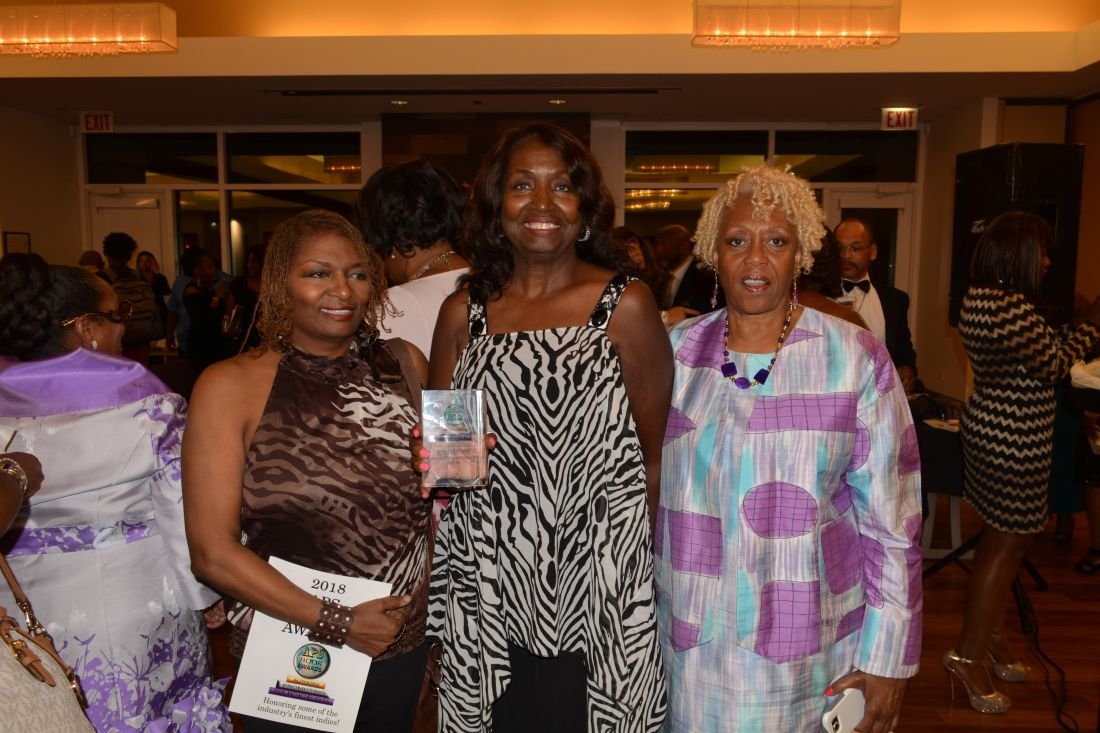
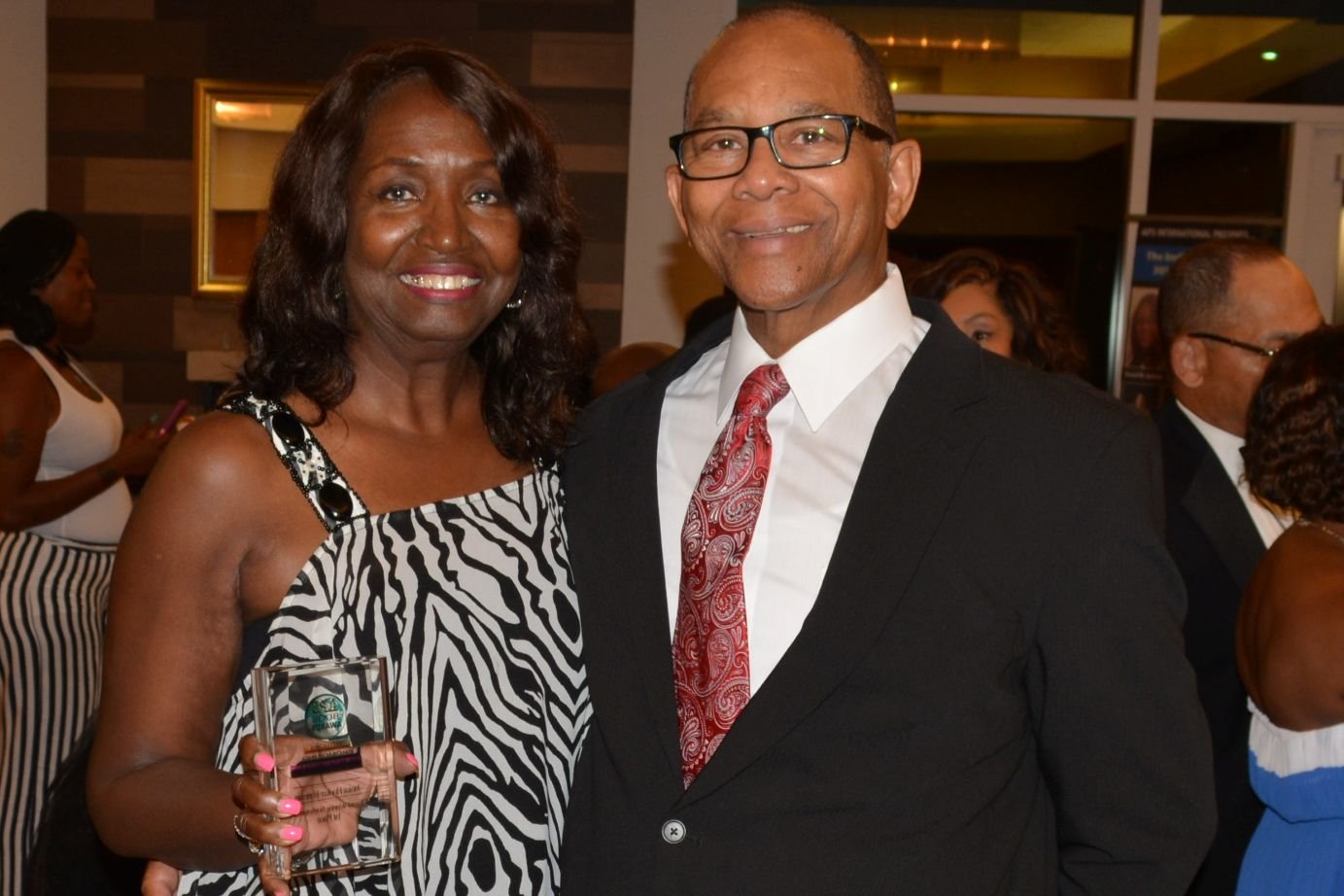
At the heart of her work is a powerful, yet accessible, vision—to create a world where women can heal generational wounds, lead with courage, and inspire their communities. Dr. Jan doesn’t just encourage others to embrace this mission—she embodies it. At age 80, she took on a role few might expect: beauty queen. “I was encouraged to stop hiding my age and use it as a source of inspiration,” she shares. This led her to enter—and win—the title of Ms. Senior Illinois America. “Now, I include positive aging tips in my keynotes and coaching. It’s never too late to live with vitality.”

Her age, rather than limiting her, has become a tool for empowerment. Dr. Jan now advocates for positive aging, demonstrating that women’s best years aren’t necessarily behind them. “Your mindset plays a significant role,” she says. “When you believe you’re too old to try something new, you limit your opportunities for growth.”

Exploring the Mission of Dr. Janice Hooker Fortman: Building Bridges in Family and Professional Connections

Photo Courtesy: Dr. Janice Hooker Fortman

Dr. Jan’s proudest moments are not defined by accolades or media appearances but by the transformation she sees in her clients. “What I’m most proud of is seeing women show up more fully in their lives—when their self-talk changes, when they start healing long-standing relationships, when they realize their voice matters,” she shares. Through her programs, many clients rediscover their self-worth, renew family bonds, and step confidently into leadership roles in their communities.

Her reach has extended beyond private coaching through appearances on platforms such as e360tv and JD3TV, where her relatable advice and actionable strategies resonate with audiences nationwide. Dr. Jan’s voice blends wisdom, warmth, and practical guidance—qualities that continue to elevate her as a sought-after speaker and trusted mentor.

Despite her many accomplishments, Dr. Jan remains grounded in what truly brings her joy: her family, her faith, and the simple pleasures of life. “I love being with my husband, a three-time cancer survivor, having deep conversations with my son, and spending time with my best girlfriend and goddaughter,” she shares. She also enjoys reading mystery novels, Chicago-style stepping, thrift shopping, and listening to music. Her mantra, “Whatever you perceive, you can achieve,” serves as both a personal motto and a challenge to others. “Visualize it, work toward it, have faith, and don’t let anyone tell you that you’re too old.”

Looking ahead, Dr. Jan has no intention of slowing down. With plans to continue producing her podcasts, writing, speaking, and mentoring women, her mission remains relevant and important. “What motivates me is that the need is still there,” she explains. “Helping people improve their relationships means improving the world we live in—one heart, one home, one conversation at a time.”

Exploring the Mission of Dr. Janice Hooker Fortman: Building Bridges in Family and Professional Connections

Photo Courtesy: Dr. Janice Hooker Fortman

Dr. Janice Hooker Fortman’s story is not just one of personal transformation—it’s a call to action. Her journey shows that healing is possible at any stage of life, that age need not be a barrier to leadership, and that authentic communication can help mend even the deepest rifts. With grace, insight, and unshakable faith, she continues to change lives—one relationship at a time.


Published by Jeremy S.