Women's Journal

Seborrhea Explained: Causes, Manifestations, and How to Manage It

Understanding Seborrhea: The Causes, Manifestations, and Management of Overactive Sebaceous Glands

Seborrhea, or the overactivity of the sebaceous glands, is a common skin condition that results in excessive oil production. Sebaceous glands secrete an oily substance called sebum, which lubricates and waterproofs the skin and hair. While sebum production is essential for maintaining healthy skin, when these glands become overactive, it can lead to a variety of uncomfortable symptoms and conditions. This article explores the causes, manifestations, and management strategies for seborrhea, providing a comprehensive understanding of this often misunderstood condition.

Read Also: How Celebrities Like Rihanna Shape Hair Color Trends

The Physiology of Sebaceous Glands

Sebaceous glands are microscopic exocrine glands located in the skin, primarily found on the face, scalp, chest, and back. Their main function is to produce sebum, a mixture of lipids (fats) that serves to:

  • Lubricate the skin and hair

  • Protect the skin from moisture loss

  • Maintain skin integrity by acting as a barrier against external irritants

In a healthy individual, sebum production is regulated by several factors, including genetics, hormones, and environmental conditions. Sebum is produced in response to natural body functions such as skin regeneration, and it typically maintains a balance that keeps the skin hydrated and protected.

However, when sebaceous glands become overactive, the excess sebum can cause various dermatological issues, leading to conditions like seborrhea and seborrheic dermatitis.

Etiology of Seborrhea

Seborrhea occurs when the sebaceous glands produce excess sebum, leading to oily skin and various related symptoms. Several factors contribute to seborrhea, including:

Genetic Predisposition

A family history of seborrheic conditions may increase the likelihood of developing seborrhea. Genetics can influence how sensitive the sebaceous glands are to hormonal changes and other factors that trigger overproduction of sebum.

Hormonal Fluctuations

Hormones, particularly androgens, play a significant role in regulating sebaceous gland activity. During puberty, androgens are produced in greater quantities, leading to an increase in sebum production, which is why seborrhea is often more prevalent during this time. Seborrhea may also flare up during periods of hormonal imbalances, such as pregnancy, menopause, or in individuals with conditions like polycystic ovary syndrome (PCOS).

Medications and Neurological Conditions

Certain medications, such as steroids and oral contraceptives, can influence sebaceous gland activity. Additionally, neurological conditions like Parkinson’s disease have been associated with seborrhea, potentially due to changes in the autonomic nervous system, which regulates sebaceous gland function.

Stress and Diet

Stress is a well-known trigger for many skin conditions, and seborrhea is no exception. High-stress levels can lead to hormonal changes, such as increased cortisol production, which may trigger sebaceous glands to become overactive. Additionally, some research suggests that certain dietary factors, including a diet high in fats or sugars, may contribute to the exacerbation of seborrhea.

Clinical Manifestations

Seborrhea can manifest in a range of ways, from mild dandruff to more severe, inflamed conditions. The key characteristics of seborrhea include:

Oily Skin

The most obvious symptom of seborrhea is excessive oiliness on the skin, particularly in areas like the face, scalp, chest, and back. This excess oil can cause the skin to appear shiny and may contribute to clogged pores, leading to blackheads or whiteheads.

Greasy Scales and Flaking

In addition to oily skin, seborrhea often presents with greasy scales and flakes, especially on the scalp. This condition is commonly referred to as seborrheic dermatitis when it becomes more severe and includes inflammation. The scales can vary in size, ranging from fine flakes to thick, crusted patches.

Redness and Itching

In more severe cases, seborrhea may cause redness, itching, and inflammation. This is typically seen around the eyebrows, nasolabial folds (the lines around the mouth), and the scalp. These symptoms can be uncomfortable and are often triggered by factors such as changes in weather, stress, or irritants in skincare products.

Seborrheic Dermatitis

When seborrhea becomes inflammatory, it can develop into seborrheic dermatitis, a condition characterized by itchy, inflamed skin with yellowish, greasy scales. Seborrheic dermatitis is often linked to the overgrowth of Malassezia yeast, which thrives in sebum-rich areas of the skin. This condition is common on the scalp, face, and chest.

Seborrheic Dermatitis

Seborrheic dermatitis is a more severe form of seborrhea and a common inflammatory skin condition. It is characterized by:

  • Oily, scaly patches on the scalp, face (especially the T-zone), chest, and back

  • Redness and irritation around the affected areas

  • The presence of Malassezia yeast, which exacerbates inflammation when overgrowing in areas rich in sebum

Triggers for seborrheic dermatitis can include stress, weather changes (particularly cold, dry air), and skin irritation caused by certain skincare products. Treatment for seborrheic dermatitis often involves antifungal creams or shampoos to reduce yeast growth and topical corticosteroids to manage inflammation.

The Role of Hormones

Hormones, particularly androgens, play a crucial role in sebaceous gland function and the development of seborrhea. Androgens stimulate the sebaceous glands to produce sebum, and fluctuations in these hormones are a key reason seborrhea is more prevalent during puberty, pregnancy, and menopause. In individuals with hormonal imbalances, such as those with PCOS, seborrhea may become more pronounced due to excess androgen production.

Why Seborrhea is Common During Puberty

During puberty, the body undergoes significant hormonal changes, which stimulate the sebaceous glands to become more active. As a result, seborrhea often occurs in teenagers, particularly around the scalp, face, and back. While many teenagers outgrow this condition, some individuals may continue to experience seborrhea into adulthood.

Diagnosis and Assessment

Seborrhea is typically diagnosed through a clinical examination of the skin and scalp, with no specific lab tests required. A dermatologist will evaluate the extent of the oiliness, redness, and scale buildup to determine if seborrhea or seborrheic dermatitis is the cause. In some cases, further testing may be necessary to rule out other underlying conditions, such as eczema, psoriasis, or fungal infections.

Management and Treatment Strategies

Managing seborrhea involves addressing the overproduction of sebum and reducing inflammation. Common treatment approaches include:

Topical Treatments

  • Antifungal shampoos (e.g., ketoconazole, selenium sulfide) to reduce Malassezia yeast overgrowth

  • Corticosteroid creams to decrease inflammation and redness

  • Calcineurin inhibitors (e.g., tacrolimus) for long-term treatment to reduce immune response without causing skin thinning

Oral Medications

  • In severe cases, oral antifungals like fluconazole may be prescribed to reduce fungal growth

  • For individuals with extreme cases, isotretinoin (a form of vitamin A) may be considered to reduce sebum production, though it is typically reserved for severe cases due to potential side effects

Lifestyle Modifications

  • Stress management through mindfulness, exercise, and relaxation techniques

  • Gentle skincare practices, including avoiding harsh products that may exacerbate oiliness or irritation

  • Regular cleansing and moisturizing to maintain skin health

Consistent Care

Consistency in treatment is key to managing seborrhea. Regular use of prescribed treatments, along with appropriate skincare routines, can help control symptoms and prevent flare-ups.

Read Also: Understanding Glutathione’s Health Benefits and Functions

Seborrhea is a common yet often misunderstood condition that results from overactive sebaceous glands producing excessive sebum. It can manifest in a variety of ways, from mild dandruff to more severe cases of seborrheic dermatitis. While the exact cause of seborrhea can vary, it is often influenced by genetics, hormones, stress, and lifestyle factors. By understanding the underlying causes and available treatment options, individuals can better manage seborrhea and improve their skin health.
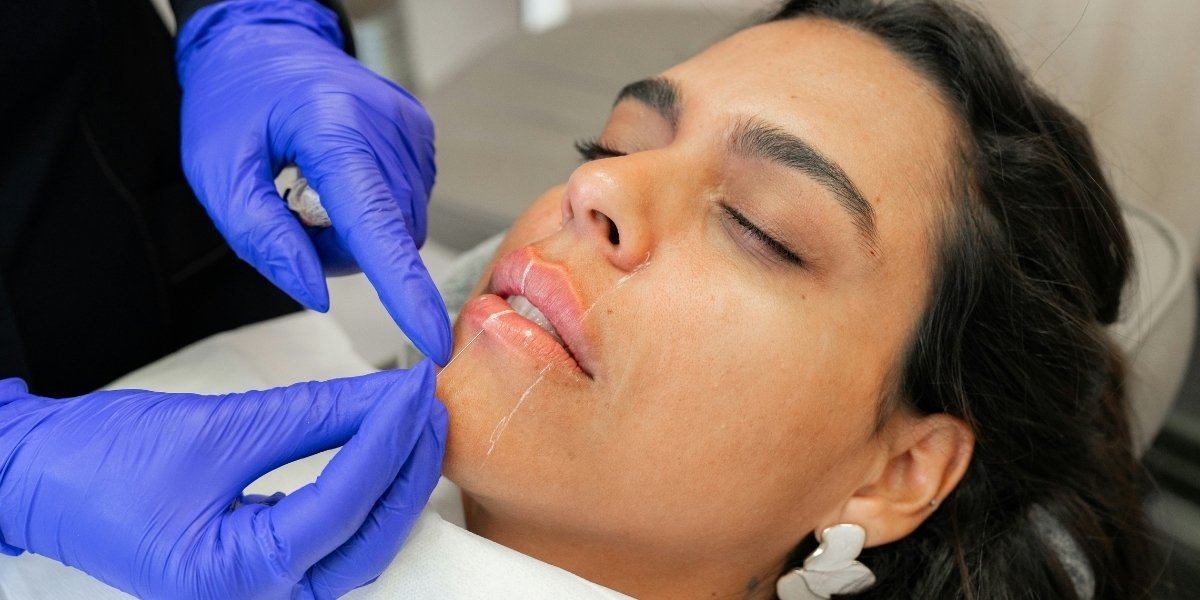
Analyzing Trends and Statistics in the Cosmetic Enhancement Industry

Cosmetic enhancements have evolved into a global industry, driven by advancements in technology, changing societal norms, and increasing demand for aesthetic improvements. As more individuals seek to enhance their appearance, it’s important to understand the trends, statistics, and patient demographics shaping this rapidly growing field. This article takes a data-driven approach to explore the current landscape of cosmetic enhancements, examining procedure volumes, patient profiles, geographical trends, economic impacts, and emerging technologies.

Read Also: How Lipstick Became a Symbol of Power, Rebellion, and Identity

Procedure Volume and Growth

The cosmetic enhancement industry has experienced substantial growth over the past few decades, with both surgical and non-surgical procedures seeing increased demand. Let’s break down some of the key procedures and trends:

Most Popular Procedures

Globally, minimally invasive procedures have seen the most significant growth. According to the American Society of Plastic Surgeons (ASPS), the top non-surgical procedures in recent years include:

  • Botox injections (neuromodulators) for wrinkle reduction

  • Dermal fillers for facial volume restoration

  • Laser treatments for skin resurfacing and hair removal

In contrast, surgical procedures like breast augmentation, liposuction, and facelifts remain popular, but have seen slower growth compared to non-surgical treatments.

Year-Over-Year Growth

Overall, the cosmetic enhancement industry has seen consistent year-over-year growth. For example, in the U.S., the demand for minimally invasive procedures increased by over 200% in the last decade. Similarly, liposuction and breast augmentation have remained strong contenders in surgical procedures, with a slight increase in liposuction demand following advancements in fat removal techniques.

The rise in social media’s influence and the accessibility of information online have contributed to these growth trends, as younger generations seek to mirror the beauty standards they see on platforms like Instagram and TikTok.

Impact of Social Media and Technology

Social media has played a pivotal role in increasing awareness and driving the demand for cosmetic enhancements. Celebrities, influencers, and online communities often share their experiences with cosmetic treatments, encouraging their followers to consider similar procedures. Additionally, advancements in 3D imaging, virtual consultations, and AI-driven personalized treatments have made cosmetic procedures more accessible, further fueling growth.

Patient Demographics

The demographics of individuals seeking cosmetic enhancements have evolved, with a significant increase in diversity across age, gender, and ethnicity. Understanding the characteristics of patients helps us better comprehend trends in procedure choices.

Age Distribution

There has been a notable rise in “early facial rejuvenation” among younger demographics, particularly individuals in their 20s and 30s. These patients often opt for non-surgical procedures like Botox and dermal fillers as preventative measures against aging, helping to maintain a youthful appearance.

Older age groups, particularly those in their 40s to 60s, tend to seek more extensive procedures, including facelifts and eyelid surgery, to address the visible signs of aging.

Gender Variations

Historically, cosmetic enhancements were more popular among women, but the gender gap has been narrowing. Men, particularly in the last few years, have increasingly sought body contouring procedures like liposuction, tummy tucks, and gynecomastia surgery (male breast reduction). As society becomes more accepting of men pursuing aesthetic improvements, the demand for male-targeted procedures continues to rise.

In fact, the ASPS reports that nearly 15% of all cosmetic surgery patients are now men, and the numbers are expected to increase.

Ethnic Diversity

Ethnic diversity in cosmetic enhancement procedures is also on the rise. While rhinoplasty remains popular across various ethnic groups, different cultural preferences have shaped the demand for specific procedures. For example, Middle Eastern populations are more likely to seek rhinoplasty to refine their nose shape, while Asian patients may request double eyelid surgery or procedures to address specific facial features according to cultural beauty standards.

Geographical Trends

Cosmetic procedures vary significantly by region, influenced by cultural norms, societal attitudes, and economic factors.

North America

In North America, particularly the United States, the demand for non-surgical procedures such as Botox, dermal fillers, and laser treatments has seen substantial growth. The U.S. remains the largest market for cosmetic surgery globally, with California and Florida being major hotspots for aesthetic procedures due to their large populations and high disposable income.

Europe

Europe also sees a high demand for cosmetic enhancements, especially in countries like Germany, France, and Italy, where cosmetic surgery is increasingly viewed as a routine part of life. While the popularity of non-surgical procedures is growing, facelifts and liposuction remain dominant in surgical procedures.

Asia

In Asia, particularly in countries like South Korea and Japan, cosmetic surgery has become a cultural norm. South Korea is known for its booming plastic surgery market, especially in Seoul, where rhinoplasty, eyelid surgery, and jaw reshaping are popular. China and India are also emerging markets for cosmetic enhancements, with increased demand for non-invasive procedures.

Economic Impact and Cost Analysis

The financial aspects of the cosmetic enhancement industry are crucial for understanding the scale and scope of the market. According to a report by Grand View Research, the global cosmetic surgery market was valued at approximately $50 billion in 2020 and is expected to continue growing at a compound annual growth rate (CAGR) of 5.5%.

Average Procedure Costs

  • Botox injections: $300–$500 per session

  • Breast augmentation: $3,500–$10,000

  • Liposuction: $2,000–$7,000

  • Facelift surgery: $7,000–$15,000

In addition to direct financial spending, medical tourism has become a significant economic factor, with patients traveling abroad to take advantage of lower costs or more specialized procedures. Countries like Mexico, Thailand, and Turkey are popular destinations for affordable cosmetic surgeries, offering the same quality procedures at a fraction of the cost compared to the U.S. and Western Europe.

Non-Surgical vs. Surgical Trends

The rise of minimally invasive procedures has dramatically shifted the landscape of cosmetic enhancements. Non-surgical treatments have become far more popular due to their lower cost, shorter recovery time, and less invasive nature.

Non-Surgical Procedures

The most common non-surgical procedures include Botox, dermal fillers, chemical peels, and laser skin treatments. These procedures often require minimal downtime and offer patients a quick and effective way to enhance their appearance.

Surgical Procedures

Although non-surgical treatments dominate, surgical procedures remain essential for individuals seeking more dramatic and permanent results. Breast augmentation, liposuction, and facelifts continue to be in high demand among patients who desire long-lasting changes to their appearance.

Emerging Technologies and Techniques

The cosmetic enhancement industry is continuously evolving, with new technologies and techniques constantly reshaping the market.

Regenerative Medicine

Advancements in regenerative medicine, such as Platelet-Rich Plasma (PRP) and nanofat grafting, are gaining traction. These techniques use the body’s own natural processes to stimulate collagen production and rejuvenate skin, offering natural and long-lasting results.

Energy-Based Devices

Energy-based devices such as radiofrequency, laser, and ultrasound technologies have revolutionized skin rejuvenation treatments, offering patients non-invasive options for tightening and lifting without surgery.

Satisfaction Rates and Potential Complications

Patient satisfaction with cosmetic enhancements is generally high, particularly for non-surgical procedures. However, like any medical procedure, there are risks involved.

Satisfaction Rates

Studies have shown that 96% of patients are satisfied with their results from non-invasive procedures like Botox and dermal fillers. Surgical procedures like liposuction and breast augmentation also show high satisfaction rates, with over 85% of patients reporting positive outcomes.

Complications

While rare, complications can occur, especially with invasive procedures. Common risks include infection, scarring, and unsatisfactory results that may require additional procedures. Ensuring proper aftercare and choosing board-certified professionals are critical factors in minimizing risks.

Read Also: What You Need to Know About Retinol for Skincare

Cosmetic enhancements have become a significant part of the beauty and wellness industries, with a growing demand for both non-surgical and surgical procedures. By understanding the trends, demographics, and economic factors shaping the field, we gain valuable insights into the evolving landscape of cosmetic surgery. As technology advances and social acceptance continues to grow, the future of cosmetic enhancements looks promising, offering more innovative, accessible, and customized solutions for individuals seeking to improve their appearance.