Women's Journal

Teedra Bernard on Leadership, Culture, and the Vision Behind New Wave Human Capital

By: James Luctamar

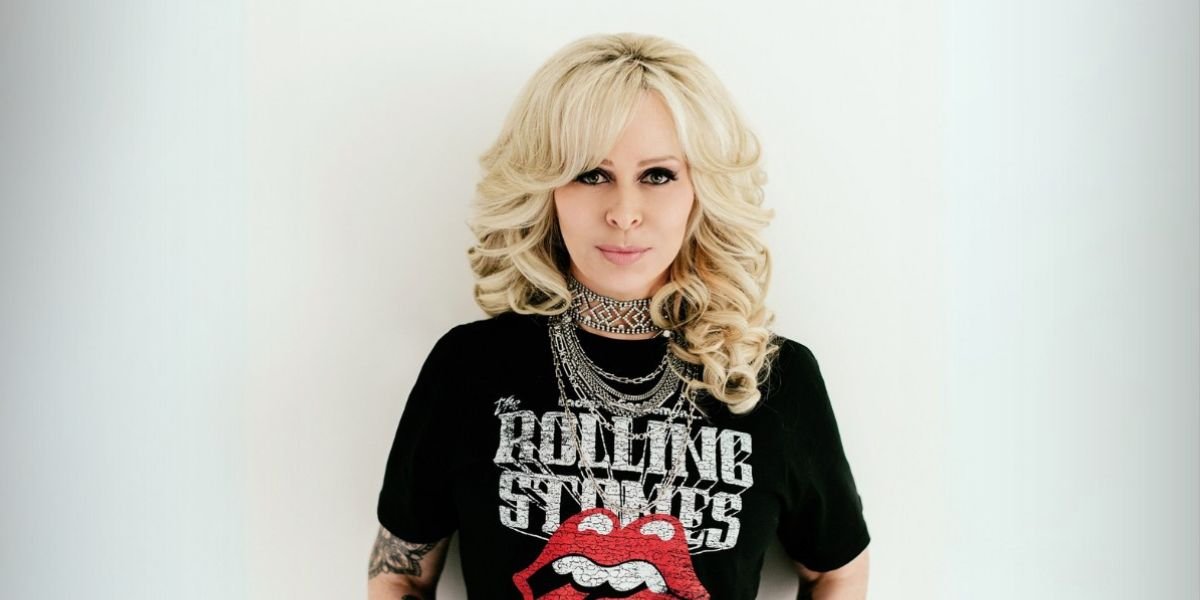
Teedra Bernard has spent over two decades in the corporate world, helping evolve human resources from a back-office function into a more strategic part of the business. Yet her influence extends beyond traditional HR boundaries. A mom, wife, board member, and entrepreneur, Teedra represents a growing class of leaders who strive to balance business results with meaningful social contributions.

With a mix of corporate experience, empathy-driven leadership, and an eye for innovation, Teedra is contributing to a vision of the future where opportunity is increasingly accessible, inclusive, and transformative.

Entrepreneurial Foundations: A Community-Focused Beginning

Teedra’s entrepreneurial journey began during her corporate career, when she and her husband invested in two high-end barbershop franchises in Houston. This venture offered a new lens on business—teaching operational skills like managing cash flow, customer loyalty, and day-to-day logistics.

Her father and nieces also played key roles, turning the shops into a family-centered effort. The experience reinforced her perspective that community investment and business development can go hand in hand, with small businesses playing an important role in local economic opportunity.

New Wave Human Capital: Supporting Leaders and Startups

Building on years of HR experience and entrepreneurial insight, Teedra launched New Wave Human Capital, an advisory firm focused on HR strategy, talent development, and organizational design.

Her goal is to support leaders—from startup founders to senior executives—in creating people-centered cultures that align with broader business goals. Through her firm, Teedra offers services such as:

  • Executive Coaching: Helping leaders reflect on and enhance their leadership styles to support stronger engagement and retention.
  • Culture and DEI Strategy: Co-creating frameworks that embed diversity, equity, and inclusion into company culture and systems.
  • Talent and Organizational Design: Supporting the development of agile, scalable teams that can adapt to evolving business demands.

Rather than providing “off-the-shelf HR solutions,” Teedra encourages customized, people-first strategies that align with long-term sustainability and relevance.

Blending Brand and Leadership: Authenticity in Action

Teedra believes that professional leadership and personal expression don’t need to exist in separate silos. A proud sneaker enthusiast and pop culture follower, she brings creativity, music, and fashion into her professional life—not as distractions but as bridges for authentic connection.

She has found that blending creative expression with business strategy helps build rapport across all levels of an organization, from entry-level employees to executive teams.

Key themes that help define her evolving leadership approach include:

  • Empathy-Driven Decision-Making: Emphasizing listening and human connection in corporate leadership.
  • Advisory Insight: Drawing from both corporate and entrepreneurial experiences to provide tailored strategic guidance.
  • HR Evolution: Combining data, storytelling, and behavioral insights to explore new ways of thinking about talent and organizational structure.

2024: A Year of Recalibration and Purposeful Growth

After years of navigating large-scale HR initiatives and business ventures, Teedra chose to make 2024 a year of intentional recalibration. Rather than stepping away entirely, she took the time to reassess her path, evaluate market trends, and fine-tune her strategic priorities.

This reflective period allowed her to deepen her advisory work, engage more fully in her board roles, and mentor the next generation of HR professionals.

It was a pause with purpose—not a slowdown, but a strategic reset aimed at preparing for the next phase of high-impact work.

A Forward-Looking Vision: Teedra’s Outlook for 2025 and Beyond

Teedra envisions a future in which HR is viewed as a strategic driver of business—not just a support function. Her aspirations include:

  • Pursuing executive leadership opportunities such as Chief People Officer or CHRO, where she can continue shaping company-wide transformation.
  • Expanding New Wave Human Capital to work with a broader range of organizations, especially those navigating culture change, leadership development, or rapid growth.
  • Building her influence in the social impact space through advisory board work and mentorship—particularly for professionals from historically underrepresented communities.

These goals reflect not just personal ambition but a broader commitment to helping organizations evolve in ways that are inclusive, sustainable, and purpose-driven.

Key Insights for Professionals Navigating Career Growth

For those following a similar path or exploring their own transitions, Teedra’s story offers several reflections:

  • Own Your Story: Career shifts don’t need to follow a linear route. Strategic pivots can create space for deeper alignment with personal and professional goals.
  • Be Open to Reinvention: Stepping into new industries or roles can provide unexpected growth opportunities. It’s not about having all the answers—it’s about being willing to learn and lead at the same time.
  • Embed Inclusion in Strategy: Diversity and inclusion efforts thrive when they’re woven into business strategy—not just added on. Embedding these principles helps create more equitable environments where everyone can thrive.

Summary: Intentional Leadership for a Changing World

Teedra Bernard is a seasoned HR leader and thoughtful business strategist who has intentionally blended her corporate knowledge with entrepreneurial insight. Her journey reflects the belief that success is not about adhering to one path, but about being responsive to change—and leading with both empathy and vision.

As she looks to the future, Teedra’s focus remains on helping shape a more people-centric, inclusive, and adaptive business environment. Whether through executive leadership, advisory work, or mentoring, her approach centers on the idea that organizations do better when they invest deeply in people and purpose.


Published by Jeremy S.

Musk Deer Scent: Exploring Its Origins, Uses, and Cultural Significance

The musk deer scent is a unique and highly valued fragrance that has captivated cultures for centuries. Derived from the musk gland of the musk deer, this scent has been used in perfumes, traditional medicines, and spiritual rituals across various societies. This pillar explores the origins, production process, cultural significance, and current uses of musk deer scent, shedding light on its historical role and contemporary relevance.

Read Also: Mindful Parenting: Taking Care of Your Child with Love and Attention

The Origins of Musk Deer Scent

Musk is a natural substance found in the musk gland of male musk deer. The musk deer (scientific name: Moschus spp.) is a small herbivorous mammal native to the mountainous regions of Asia, particularly in countries like Nepal, India, Tibet, and China. The scent produced by the male musk deer plays a key role in territorial marking and attracting mates.

The Musk Gland and Scent Production

The musk deer produces its scent in a specialized musk gland located near its genitals. The substance is oily and has a potent, earthy fragrance, which is why it has been so prized in fragrance and perfume industries. When the gland is harvested, the scent is collected in a semi-solid form known as musk paste.

Traditional and Ethical Concerns

Historically, the harvesting of musk from deer involved killing the animal to extract the gland. This practice has led to severe population declines in musk deer species, prompting conservation concerns and ethical debates. Due to its rare and potent nature, musk has been one of the most coveted ingredients in luxury perfumes. However, the practice of using natural musk has significantly decreased, as alternatives like synthetic musks have become more prevalent in modern perfumery.

Uses of Musk Deer Scent

Musk deer scent has a wide range of uses, from its role in luxury fragrances to its cultural significance in traditional practices. While its use in the perfume industry is the most well-known, it has also been an essential element in traditional medicine and spiritual practices.

Musk in Perfumery

The scent of musk has been used in perfumes for centuries, valued for its richness, depth, and longevity. It is often used as a base note in perfumes, providing a warm, sensual undertone that complements floral, woody, or spicy notes. Because of its fixative properties, musk helps to stabilize the other fragrances in a perfume, ensuring that the scent lasts longer on the skin.

Traditional Medicine

In traditional medicine, especially within Chinese and Indian practices, musk has been used for its believed medicinal properties. It was thought to have cooling, anti-inflammatory, and antibacterial effects. Some traditional remedies utilized musk as an ingredient to treat ailments such as headaches, skin disorders, and stress. However, modern scientific research has questioned the efficacy of these medicinal uses, and many cultures now prefer synthetic alternatives for these purposes.

Spiritual and Ritual Use

Musk has held spiritual significance in many cultures. In Hinduism and Buddhism, musk was often used in rituals and offerings, symbolizing purity and spiritual enlightenment. It was believed that the deep, earthy scent of musk could help to purify the mind, body, and spirit. In some shamanic practices, it was used in incense and perfumed oils for meditation or healing ceremonies.

The Ethical Debate and Conservation Efforts

The use of natural musk from musk deer has been heavily criticized due to the cruelty involved in harvesting it. As a result, the conservation status of musk deer species has become a significant concern. The International Union for Conservation of Nature (IUCN) lists many musk deer species as threatened or endangered, with hunting for musk being one of the primary drivers of their decline.

The Shift to Synthetic Musk

In response to both conservation concerns and ethical issues, the use of synthetic musk has become increasingly popular. Synthetic musks mimic the natural scent of musk but are created without harming animals. Modern perfumery has adopted these synthetic alternatives, which have allowed the fragrance industry to continue producing musk-scented products while also helping to reduce the environmental and ethical issues tied to natural musk harvesting.

Conservation of Musk Deer

Efforts to conserve musk deer and other endangered species have included restrictions on the trade and harvest of natural musk, as well as programs aimed at breeding and protecting musk deer populations in the wild. Wildlife protection organizations and governments have worked to limit the poaching of musk deer, ensuring that these animals are protected from exploitation for their glands.

Cultural Significance

Musk’s impact extends far beyond its use in perfumery and medicine. In many cultures, it is considered a symbol of wealth, luxury, and refinement. The scent of musk has been associated with royalty and nobility, and in ancient times, it was a highly sought-after gift among the elite. Its presence in luxurious perfumes and incense continues to evoke a sense of opulence and prestige.

Musk in Global Trade

Historically, musk was a highly valued commodity in global trade. It was traded between Asia, the Middle East, and Europe, often fetching high prices due to its rarity and desirability. Its role in trade routes helped facilitate cultural exchanges between different regions, further solidifying its status as a prized item.

The Future of Musk Deer Scent

The future of musk deer scent lies in its ability to evolve within a modern context, balancing the desires of the fragrance industry with the ethical considerations of animal conservation. While the use of synthetic musks is on the rise, there remains a small but dedicated market for natural musk among collectors and high-end perfumers.

The Role of Artificial Musk in Modern Fragrances

As the demand for eco-friendly and sustainable products grows, the fragrance industry will continue to focus on the development of high-quality synthetic musks. These synthetic versions not only prevent the harm of animals but also offer advantages in terms of cost, availability, and consistency in fragrance creation. However, it remains to be seen whether natural musk will ever return to its former prominence in the luxury fragrance market.

Read Also: Women’s Journals: A Powerful Tool for Self-Expression

Continued Conservation Efforts

The conservation of musk deer remains critical. Ongoing efforts by wildlife organizations and governments to preserve the natural habitats of musk deer and prevent illegal poaching will help protect the species from extinction. Educating the public about the importance of these animals and the role of sustainable alternatives will continue to play a crucial role in the future of musk production.

Musk deer scent has a rich history that spans across cultures, industries, and generations. From its origins as a key ingredient in ancient rituals to its use in modern luxury perfumes, the scent of musk continues to capture the imagination. However, the ethical concerns surrounding its use have spurred the development of synthetic alternatives, offering a sustainable solution for both the perfume industry and conservation efforts. As we move forward, it is essential to balance the appreciation of this unique fragrance with the responsibility of protecting the musk deer and ensuring a sustainable future for both the animals and the industry that depends on them.

I Am Unbreakable®: Adrianne Fekete’s Vision for Empowerment and Resilience

By: Ethan Rodgers

The Power of Showing Up

A girl enters a room with influential leaders, entrepreneurs, female founders, and change-makers, who are openly sharing their personal journeys and experiences. These voices resonate deeply, reflecting the challenges and triumphs that can inspire anyone who listens.

These remarkable individuals tackle topics that are often difficult to address, yet they approach them with courage and openness. Today, they spark conversations that matter, lead with purpose, and openly share both their challenges and their growth.

A girl listens to inspiring women speak about resilience, courage, and grace, sharing stories of challenging societal norms, breaking down barriers, and contributing to positive change. The stories shared highlight the strength of those who continue to push boundaries and inspire others along the way.

A girl leaves the room feeling motivated and encouraged to pursue her dreams. She is now connected to a community of supportive sisters, from whom she will learn and who she may one day mentor.

A girl walks into the room. But what if she didn’t?

I Am Unbreakable® is a movement, a collaborative community, and a celebration of the human spirit. It serves as a reminder that we are all connected, that our stories hold value, and that, together, we can help create a world where every woman feels empowered, confident, and able to make a difference.

“As a champion for women in business and the driving energy behind I Am Unbreakable® Global Media, I empower others, build meaningful connections, and transform bold ideas into lasting impact. I amplify and elevate entrepreneurs, founders, leaders, visionaries, CEOs  and corporations, through building creative storytelling and curated content. I leverage our multiple media platforms to drive social impact, and rockstar social proof for businesses.”

“In every industry and on every stage, women entrepreneurs are reshaping the definition of success through innovation, leadership, and determination. Their influence is helping to shape the future of business and social change. When women step into leadership roles, positive transformation and forward momentum are often the result. These change-makers are important drivers of progress, embodying courage, resilience, and a strong sense of purpose. It is a privilege to celebrate their inspiring journeys,” says Adrianne.

Driving Impact & Belonging

I Am Unbreakable®: The Power of Connection, Collaboration, and Community

Sharing Our Stories Connects Us: Our journey of resilience is tied to the stories we share. Each narrative offers a window into our struggles and triumphs, reminding us that we are never truly alone. These stories weave together a fabric of strength, legacy, and understanding, fostering a powerful sense of connection.

Collaboration Leads to Growth: Collaboration is where meaningful growth takes place. Our recent summit highlighted how a supportive environment can spark creativity and innovation. As we exchanged ideas and formed new partnerships, we laid the foundation for potential outcomes that could influence our lives, legacies, and communities.

The Strength of Community: The power of coming together is undeniable. When we support one another, we enhance our individual strengths and create a deeper sense of belonging. By uplifting each other, we cultivate an environment where everyone feels valued and empowered.

I Am Unbreakable® is leaning in

“As the founder of I Am Unbreakable® Global Media, my mission is to amplify remarkable stories that inspire impact, leave legacies, and foster belonging, while sparking change and promoting authentic conversations through videos, events, editorial content, and dedicated platforms,” says Adrianne Fekete.

“When I’m not hosting the I Am Unbreakable® podcast on YouTube, Spotify, Apple, or Amazon, you can find me speaking at events on key business and self-improvement topics. Some of the talks I’ve shared include Creating Rockstar Confidence™, The Power of I Am, Yes You Can™, and Girls Can Do Anything™.”

“Never give up on yourself. Remember my three favorite words: YES YOU CAN!” says Adrianne.


Published by Joseph T.

Discovering the Mariana Trench: A Deep Dive into Earth’s Oceanic Mystery

The Mariana Trench, located in the western Pacific Ocean, holds the distinction of being the deepest part of Earth’s oceans. At more than 36,000 feet (11,000 meters) deep, this underwater abyss offers a mysterious and largely unexplored world, full of unique geological features and marine life. The trench has fascinated scientists, explorers, and environmentalists for centuries, due to its extreme depth, isolation, and the role it plays in the Earth’s geological processes. This pillar delves into the scientific significance of the Mariana Trench, its unique physical characteristics, the exploration efforts that have sought to uncover its secrets, and its broader environmental impact.

Read Also: Pioneering Women in Extreme Sports: Overcoming Challenges and Redefining Limits

The Geography and Formation of the Mariana Trench

The Mariana Trench is located in the western Pacific Ocean, to the east of the Mariana Islands, from which it takes its name. This trench is part of a larger system of oceanic trenches that are formed by tectonic activity, specifically the movement of the Earth’s crustal plates.

Tectonic Plates and Subduction Zones

The trench itself is the result of the subduction process, where one tectonic plate is forced beneath another. In the case of the Mariana Trench, the Pacific Plate is subducting beneath the Mariana Plate. This ongoing collision causes the formation of deep oceanic trenches like the Mariana Trench and leads to significant geological features, including volcanic activity and earthquakes. The immense pressure and the extreme depth in the trench make it a unique feature of the Earth’s underwater topography.

Depth and Size

At its deepest point, the Challenger Deep of the Mariana Trench reaches about 36,070 feet (10,994 meters) below sea level. This makes it the deepest known part of the Earth’s oceans. For comparison, the Mount Everest, the tallest mountain on Earth, stands at 29,032 feet (8,848 meters) above sea level, meaning that the trench’s deepest point is deeper than the height of the highest mountain on Earth.

The trench itself stretches for over 1,500 miles (2,550 kilometers) and has varying depths along its length, with some areas dropping as low as 35,000 feet. The sheer scale and depth of the trench make it a unique feature in Earth’s geology.

The Exploration of Mariana Trench

Despite its immense size, the Mariana Trench remains one of the most unexplored regions on Earth. Its extreme depth, along with the immense pressure at those depths, makes it difficult for humans to explore directly. However, over the years, several groundbreaking exploration missions have shed light on the trench’s mysteries.

Early Attempts and Discoveries

The first significant exploration of the trench began with the work of oceanographers and scientists in the late 19th and early 20th centuries. One of the first major surveys of the trench came from the Challenger Expedition in the 1870s, which gave the trench its name and identified its extreme depth. However, due to the limitations of early technology, much of the trench remained a mystery until the 20th century.

Deep Sea Exploration Technology

The development of deep-sea exploration technology has been a critical factor in the ability to explore the trench. Early attempts at exploring the trench involved submersibles and remote-controlled underwater vehicles. However, the true breakthrough came with James Cameron’s solo descent in 2012, when he became the first person to reach the Challenger Deep in a single-man submersible, the Deepsea Challenger.

Cameron’s descent to the bottom of the trench lasted nearly seven hours and provided valuable data on the trench’s ecosystem and physical characteristics. This mission marked a new era in deep-sea exploration and opened up possibilities for future scientific investigations into the trench’s environment.

Modern-Day Research and Technologies

Today, modern technologies like autonomous underwater vehicles (AUVs), robotic submarines, and high-resolution sonar systems continue to push the boundaries of exploration. These technologies help researchers study the trench’s ecosystem, map its vast expanse, and gather data on its geology and hydrodynamics. The trench is still a subject of active research, with scientists hoping to better understand its role in the Earth’s water cycle and its potential for hosting unique marine life.

The Unique Ecosystem of the Mariana Trench

Despite the extreme conditions, the Mariana Trench is home to a wide variety of marine life, many of which are adapted to the harsh conditions found at such great depths. The trench’s ecosystem is shaped by factors like extreme pressure, cold temperatures, and complete darkness, with organisms evolving unique adaptations to survive.

Adaptations to Extreme Pressure

At the depths of the Mariana Trench, the pressure is more than 1,000 times the pressure at sea level. Marine organisms here have evolved specialized biological structures that allow them to withstand these conditions. For example, many creatures have flexible, gelatinous bodies that can withstand the immense pressure without collapsing. Others, such as giant amoebas, have adapted by developing resilient cell membranes that resist rupture under pressure.

Biodiversity and Discoveries

Some of the most fascinating species discovered in the trench include deep-sea fish, amphipods, jellyfish, and microorganisms. These creatures often have bioluminescent features, allowing them to produce light in the dark waters. Recent discoveries also include species of snailfish and crustaceans that thrive in the trench’s extreme environment, showcasing the unique adaptations of life forms in the abyss.

Potential for Future Discoveries

The deep-sea ecosystem of the Mariana Trench remains one of the least understood environments on Earth. As technology improves and more expeditions take place, it’s expected that new species and ecosystems will be discovered. The trench represents a biological frontier, with the potential for breakthroughs in medicine, biotechnology, and ecology due to its isolation and the unique characteristics of its organisms.

Environmental Concerns and Protection

Despite its remoteness, the Mariana Trench faces environmental threats, primarily due to pollution and human activity. Recent research has shown that even the deepest parts of the ocean are not immune to plastic pollution. In 2019, researchers discovered microplastics in the trench, highlighting the pervasive nature of human impact on the planet.

Protecting the Mariana Trench

Given the trench’s importance as both a natural wonder and a critical ecosystem, there have been calls to designate the Mariana Trench as a protected marine reserve. Protecting this fragile environment is essential to preserving the species that inhabit it and ensuring that future research can continue without the interference of industrial exploitation.

The Role of the Mariana Trench in Earth’s Geology

The Mariana Trench also plays a critical role in the Earth’s geological processes, particularly in the movement of tectonic plates. As the Pacific Plate subducts beneath the Mariana Plate, it leads to the creation of volcanic activity and the formation of the Mariana Islands. The trench is part of the Ring of Fire, an area around the Pacific Ocean basin known for its active volcanoes and frequent earthquakes.

Read Also: Understanding Women Worldwide: Demographics, Education, and Empowerment

The Trench’s Impact on the Earth’s Water Cycle

The trench is also thought to play a role in the Earth’s water cycle, as the subduction of oceanic plates can help regulate the distribution of water and minerals in the Earth’s mantle. The trench’s geological activity helps shape the landscape and contribute to the long-term stability of the planet’s ecosystems.

The Mariana Trench remains one of the most mysterious and least explored regions of our planet. Its extreme depths, geological significance, and unique ecosystems make it a fascinating subject of study. As technology advances, we are likely to uncover more about this incredible part of the Earth’s oceans, revealing new species, deeper insights into the planet’s geological processes, and the potential for innovative solutions in various fields of science.