Women's Journal

Kerry-Ann Joseph-Mclean’s 21-Day Mindset for a Healthier You

Kerry-Ann’s entrepreneurial journey took a significant turn when she prioritized her health. Like many entrepreneurs, she often put personal well-being aside in the face of growing business demands. Over the years, Kerry-Ann and her husband fell off track in their health journey. However, they realized it’s never too late to reset and regain control over their health.

With a renewed focus, Kerry-Ann and her team launched the 21-day mind-shift challenge. This initiative wasn’t just about physical transformation; it was a mental commitment to realign priorities and develop healthier habits. The challenge aimed to encourage discipline, consistency, and a focused mindset—principles that could support both personal well-being and professional success.

Lessons from the 21-Day Mindshift Challenge

Throughout the 21 days, Kerry-Ann learned valuable lessons beyond health and wellness. These insights not only helped her adopt healthier habits but also strengthened her approach to both her personal life and her business. Here are the key takeaways:

Integrity Starts with Yourself

One of the first lessons Kerry-Ann embraced was the importance of integrity. She realized that honoring her commitments laid the foundation for achieving her goals. By sticking to the promises she made, she built confidence and self-trust.

Clarity Comes with Defined Goals

Kerry-Ann’s focus sharpened when she set clear, attainable goals. Breaking down her health goals into manageable tasks ensured that each step contributed to her long-term vision. This clarity supported her health journey and professional endeavors.

Action Trumps Emotion

Kerry-Ann’s challenge also taught her the importance of taking action regardless of her feelings. There were days when quitting was tempting, but she learned to push through discomfort and stick to her routine. This discipline helped her stay committed to both her health and business.

Support is Vital

Throughout the challenge, Kerry-Ann recognized the value of having a support system. She chose her team as her support system for accountability and also encouraged them to follow their health journey. This sense of community proved crucial for maintaining motivation.

Consistency is Key

The 21-day challenge underscored the power of consistency. Kerry-Ann tracked her progress each day, focusing on small victories. Over time, these consistent actions led to noticeable improvements in her health and business.

Celebrate Small Wins

Kerry-Ann learned to appreciate the small victories along the way. Every successful day, whether she stuck to her plan or made healthier choices, reinforced her commitment. These moments of success kept her motivated and focused on the bigger picture.

Visualizing Success Helps You Stay Focused

Kerry-Ann focused on what she wanted to achieve by visualizing her end goals. This mental clarity helped her stay grounded and focused, even when challenges arose. Her vision became a guiding force that kept her aligned with her purpose.

The Connection Between Health and Business Growth

The 21-day challenge didn’t just impact Kerry-Ann’s health—it also positively affected her business. The lessons she learned about mindset, consistency, and discipline were directly applied to her business practices. Kerry-Ann discovered that her focus on her health could also fuel her professional success.

By staying disciplined and committed to her daily routines, Kerry-Ann and her husband noticed improved productivity and growth in their business. She recognized that success in both health and business stems from continuous effort and focus. The more consistent she was with her personal growth, the more this translated into professional progress.

Personal Transformation and Growth

Kerry-Ann’s journey was not just about physical changes but also a shift in mindset. She developed a deeper understanding of herself and her capabilities. She realized that change, though challenging, was necessary for personal growth. As she continued to make small adjustments to her routine, she experienced greater empowerment and a renewed sense of purpose.

Her transformation reinforced the idea that focusing on mindset is just as crucial as focusing on tangible results. By committing to the process, Kerry-Ann found herself growing in unexpected ways.

Overcoming Obstacles and Staying Committed

The 21-day challenge wasn’t without its obstacles. Like anyone on a journey of self-improvement, Kerry-Ann faced moments of doubt and resistance. However, she learned that setbacks are part of the process. Her ability to stay committed and push through challenges made all the difference.

Rather than allowing setbacks to derail her progress, Kerry-Ann saw them as opportunities for growth. This mindset shift played a key role in her personal and professional success.

Embracing the Journey

Kerry-Ann’s experience demonstrates the importance of embracing the journey rather than focusing solely on the destination. Health and business success requires ongoing effort, patience, and perseverance. Kerry-Ann learned that by staying focused on her goals and maintaining consistency, she could achieve the results she desired.

Success is not achieved overnight. It is built through daily actions, mindset shifts, and the willingness to learn and grow. Kerry-Ann’s story reminds us that transformation is a gradual process. It requires dedication, focus, and a commitment to improving oneself daily.

Anyone who commits to their health and business goals may find positive results.

To learn more about Kerry-Ann Joseph-Mclean’s journey and insights, visit her Instagram, YouTube, or website at https://www.longevity.now.site.

Disclaimer: Testimonials in this article reflect personal experiences and aren’t guaranteed. Results vary based on effort, experience, and commitment. Use your judgment.


Published by Elle G.

Global Reports Warn of Health Dangers From Ultra‑Processed Foods

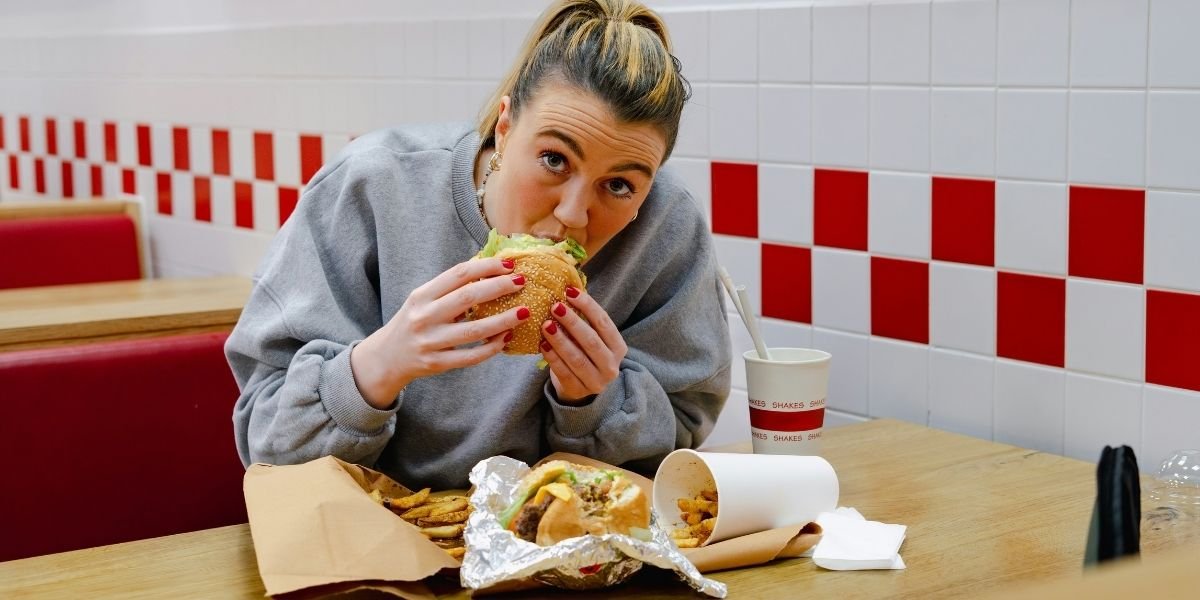
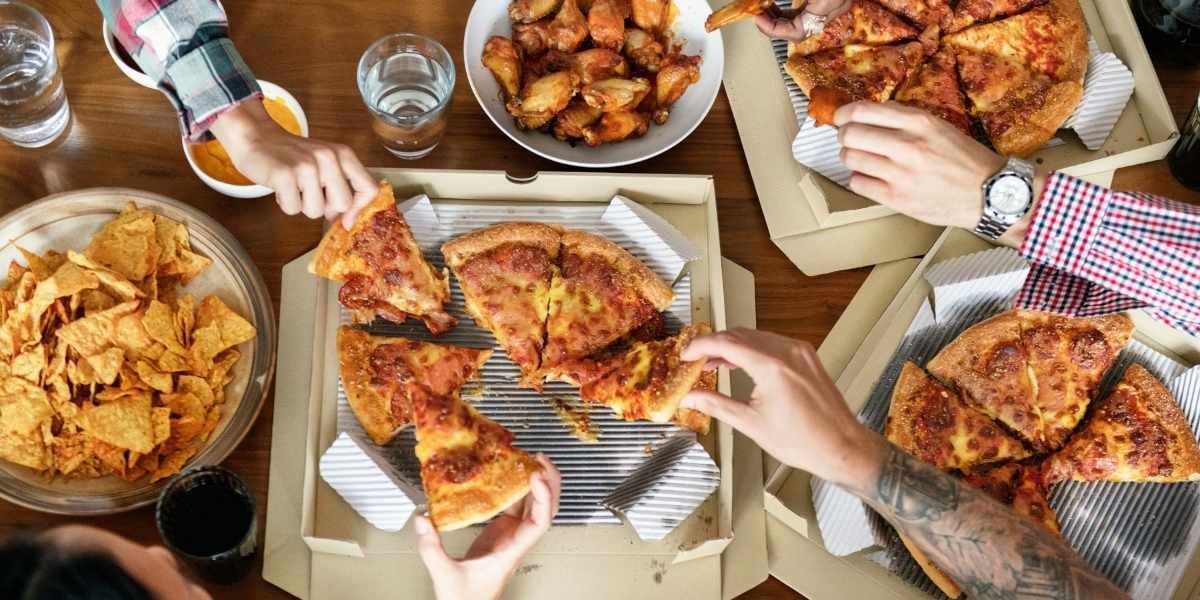
Ultra-processed foods (UPFs) have become a cornerstone of modern diets, but recent global reports are raising alarms about their potential health consequences. These foods, often made with industrial ingredients and additives, such as packaged snacks, sugary drinks, frozen meals, and sweetened cereals, now account for 30–60% of daily calories in many countries. While they offer convenience and affordability, experts argue that their widespread consumption comes with significant risks to public health.

A landmark series published in The Lancet in November 2025 has described UPFs as a public health crisis, linking them to a range of serious health issues, including obesity, type-2 diabetes, cardiovascular disease, certain cancers, and mental health conditions. The research suggests that these foods are designed with profit and shelf stability in mind, often replacing more nutritious, whole food options. This trend has led to a shift in eating habits, raising concerns about the long-term effects on public health.

As these foods dominate supermarket shelves, they not only displace healthier alternatives but also reshape eating patterns globally. This growing presence of ultra-processed foods prompts a critical question: How can societies balance convenience with health, and should stronger regulations be implemented to mitigate the risks?

Health Risks Backed by Evidence

Numerous studies provide compelling evidence of the risks associated with a diet high in UPFs. A systematic review published in EMJ Gastroenterology has revealed associations between UPFs and depression in adults, suggesting that poor nutritional quality and the gut-brain axis play a role in mental health outcomes. While these findings underscore the importance of diet in mental well-being, the underlying mechanisms are still under investigation.

Beyond mental health, UPFs have been consistently linked to obesity, diabetes, and cardiovascular disease, largely due to their high sugar, salt, and unhealthy fat content. Research has also pointed to associations with certain cancers, including colorectal and breast cancer. These findings reinforce the long-term risks posed by diets high in processed foods.

Global Reports Warn of Health Dangers From Ultra‑Processed Foods

Photo Credit: Unsplash.com

Perhaps the most alarming risk is the link between UPF consumption and premature mortality. A global study reported by FoodTimes highlights how a diet heavy in UPFs significantly increases the risk of early death. This reinforces the urgency for individuals to reconsider their consumption patterns, and for policymakers to take action to reduce the prevalence of these foods.

Shifts in Dietary Patterns and Habits

The rise of ultra-processed foods is not only a health issue but also reflects significant shifts in food systems worldwide. For example, in Spain, the consumption of UPFs has tripled over the past 30 years, while in China, it has doubled, according to Greek City Times. These changes reflect a broader trend where traditional diets, once rich in fresh produce, grains, and lean proteins, are being replaced by packaged and processed alternatives that prioritize convenience over nutritional value.

In the United States, the prevalence of ultra-processed foods is especially pronounced. Busy lifestyles, aggressive marketing, and the affordability of these products have driven their widespread adoption. Despite growing awareness of the health risks associated with UPFs, their popularity continues to rise, pointing to the challenge of changing consumption patterns in the face of convenience and cost.

However, not all nations are experiencing the same dietary shifts. Countries that emphasize fresh, minimally processed foods, such as those following Mediterranean or Japanese diets, continue to report lower rates of chronic diseases. These examples suggest that it is possible for communities to resist the influence of ultra-processed foods by maintaining traditional food practices and prioritizing healthier eating habits.

Policy and Regulatory Considerations

Experts are increasingly calling for stronger regulation of ultra-processed foods, including clearer labeling, restrictions on marketing, particularly to children, and limits on additives. The Lancet series argues that governments must treat UPFs as a public health issue, similar to tobacco or alcohol, given the significant impact these foods have on public health. While such measures remain controversial, there is a growing recognition of the scale of the problem.

In the United States, discussions focus on transparency and consumer education. Advocates are pushing for front-of-package labeling that highlights the degree of processing, allowing consumers to make more informed choices about the foods they buy. Others are calling for stricter rules around the advertising of UPFs, particularly those targeted at younger audiences.

This ongoing debate reflects a broader tension: how to balance consumer autonomy with public health needs. While individuals ultimately make decisions about what to eat, the omnipresence of ultra-processed foods, coupled with their aggressive marketing, makes these choices far from neutral. Policymakers face the challenge of creating an environment where healthier food options are more accessible and appealing to the public.

Reimagining Food Culture: A Path Toward Healthier Diets

The ongoing conversation about the dangers of ultra-processed foods is not merely about avoiding specific products, it invites a deeper rethinking of food culture itself. Reports from health experts emphasize the importance of returning to diets centered on whole foods, fresh ingredients, and traditional cooking practices. This shift requires not only personal effort but also systemic changes in food production and distribution systems.

For consumers, the challenge lies in navigating a marketplace that prioritizes convenience. Choosing whole foods often means higher costs or more preparation time. However, the long-term health benefits are significant, with many studies supporting the idea that diets centered around fresh, unprocessed foods can reduce the risk of developing chronic diseases.

Communities that prioritize local food systems, support sustainable agriculture, and invest in food education are better positioned to resist the influence of ultra-processed foods. These communities can promote healthier eating habits and foster a culture of well-being that goes beyond mere food consumption.

Ultimately, the global reports about ultra-processed foods serve as a wake-up call for both individuals and societies. The way forward may involve balancing modern food demands with traditional food values, ultimately determining the future of both public health and food culture. The question remains: Can societies adapt to modern pressures without sacrificing their health? The answer may shape the future of global food systems and public well-being.

Supporting Wellness: Gina Iacovone’s Approach to Women’s Health and Business

By: Shannon Sparks

In a world where women’s health and wellness often go unaddressed or misunderstood, Gina Iacovone, CEO of Relive Health, creates transformative spaces for women to take control of their health, redefine their journeys, and thrive. Under Gina’s guidance, Relive Health focuses on personalized wellness, providing tailored services to support individual health goals. With clinics nationwide, the organization is redefining approaches to aging, wellness, and medical aesthetics while promoting education and empowerment.

At the heart of Relive Health’s approach is an unwavering commitment to understanding and addressing the root causes of health concerns. “Relive’s approach to client care is to truly listen to the client’s concerns and determine the root cause through a comprehensive blood panel,” explains Gina. “We then take the time to educate the client on various treatments that can support them on their wellness journey. We create an environment of comfort through shared knowledge and continuous support.”

This personalized, client-centered approach is particularly significant for women, who are often told that the challenges of aging are inevitable. Gina rejects this narrative outright. “Many times, as women age and begin to feel and look different, it is assumed that it’s normal to feel this way—‘it is what it is.’ We are educating women that that statement is not true. You can feel and ultimately look better if you take control of your health.”

Relive Health offers various services that prioritize wellness from the inside out. Every journey begins with blood work—a cornerstone of Relive’s approach to personalized care. “Blood work is our starting point. It allows us to see what most clients have not even felt yet or uncover the root cause of why they are feeling the way they do,” Gina shares. From there, treatments may include hormone optimization, IV therapy, or medical weight loss programs. “Many women opt for medical weight loss first and then realize sustainable results are only maintained if their hormones are optimized,” she adds.

Supporting Wellness: Gina Iacovone's Approach to Women’s Health and Business

Photo Courtesy: Relive Health

Relive Health combines wellness services with medical aesthetics, supporting clients in their health journey both inside and out. Gina highlights the value of trust and authenticity in these offerings: “Meet the provider for an in-depth consultation before the service. Get to know them, their approach, their technique. Determine if their style and approach match what you are looking for, and aim that they are genuine and authentic to their craft.”

Complementing the work done in Relive clinics is Revive MD, a supplement line that reflects the same commitment to quality and effectiveness. Revive MD was born from necessity. “When our founder, Dr. Iacovone, started his first health center, he often prescribed various supplements to improve overall outcomes along with IV therapy and hormone optimization. He was dissatisfied with the quality of what was available and decided to formulate his own,” Gina explains. Today, Revive supplements are a vital part of Relive’s offerings. They are used exclusively in their clinics and are now available nationwide in retailers like Vitamin Shoppe and GNC.

Revive supplements support the body’s systems and complement treatments like hormone optimization. “We’ve seen positive results with Revive supplements, supported by bloodwork and outcomes,” says Gina. This approach aims to provide clients with accessible options for improving their health.

Looking ahead, 2025 promises to be a transformative year for Relive Health. Gina envisions the brand as a leader in a national health shift where individuals are empowered to take ownership of their wellness. “Relive represents a health shift occurring in our nation. We want to change the way people view health. We want to educate and support our clients and communities to be the CEOs of their health. Take control and truly achieve the wellness they strive for,” she states.

The company’s mission is deeply rooted in the concept of healthspan—the years of life spent in good health. “Healthspan is defined as the years in your life spent in good health; lifespan is the length of your life in years. Having a long, unhealthy life is not a desired outcome. We want to support our clients in achieving a long life in good health,” Gina explains. This approach draws from ongoing anti-aging and regenerative medicine research, which informs Relive’s offerings. “Aging contributes significantly to degenerative disease, and there may be ways to slow, manage, and potentially improve the aging process to support a healthier life,” says Gina.

Supporting Wellness: Gina Iacovone's Approach to Women’s Health and Business

Photo Courtesy: Relive Health

Under Gina’s leadership, Relive Health is not just a business; it is a movement aimed at transforming lives and empowering individuals, particularly women, to reclaim their health. Her passion for building trust and fostering lasting client relationships is evident in everything Relive does. “We want to build relationships with our clients, earn their trust, and be advocates for their health,” she says.

Gina’s work is not just about wellness—it’s about rewriting the narrative for women, proving that they can age with grace, vitality, and confidence. Through Relive Health and Revive MD, she sets a new standard for what’s possible, inspiring women nationwide to invest in themselves, advocate for their health, and thrive at every stage of life.

Disclaimer: This article is for informational purposes only and is not intended as medical advice or a substitute for professional care. Always consult a qualified healthcare provider for personalized guidance and treatment options. Statements about products, services, or health outcomes reflect the views of those interviewed and should not be taken as guarantees of results.

Published by Stephanie M.